Raw Shrimp Tartare
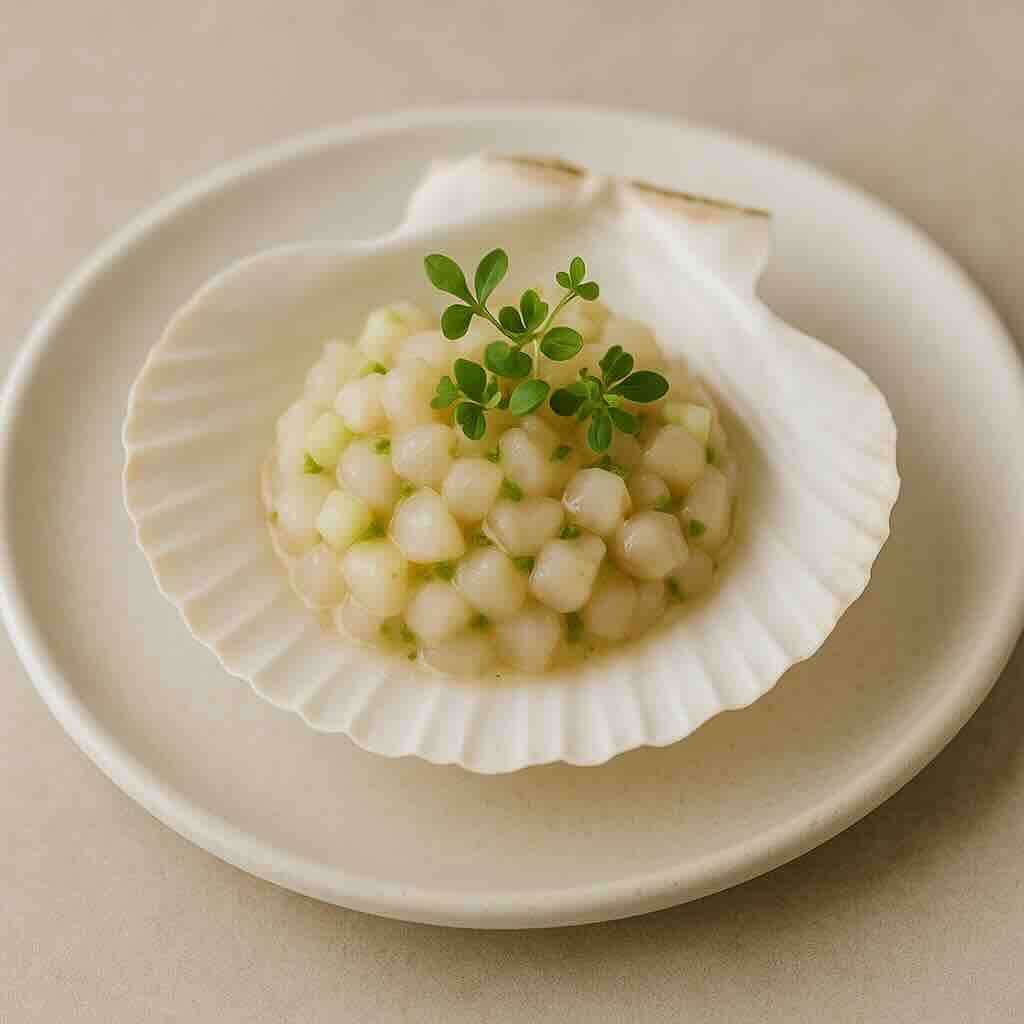
Raw shrimp, when it is impeccably fresh, has a sweetness and a tender, almost gelatinous snap that cooking erases entirely. Treated like sashimi in Japan and as crudo in southern Italy, it makes a lovely, delicate tartare. This version stays bright and clean: lime, a whisper of chili, soft shallot, and herbs, with nothing to mask the shrimp. Of every recipe on this site, this is the one where sourcing matters most.
Instructions
- Confirm your shrimp is sold for raw consumption and has been kept thoroughly cold. Peel and devein it, removing the dark intestinal tract entirely.
- Rinse the shrimp briefly in ice-cold water, then pat completely dry with paper towel.
- Place the shrimp in the freezer for 10 minutes to firm it up for cleaner cutting.
- With a sharp knife, cut the shrimp into small, even 1/4-inch dice. Transfer to a chilled bowl and refrigerate.
- In a small bowl, whisk together the lime juice, lime zest, and olive oil.
- Stir the minced shallot and chili into the dressing and let them soften for 5 minutes.
- Gently fold the dressing into the cold diced shrimp just before serving, so the lime does not start to firm up the flesh.
- Fold in the chopped herbs.
- Season carefully with sea salt and white pepper, then taste a single piece and adjust.
- Shape with a ring mold on chilled plates, or spoon into a neat mound.
- Serve immediately with crackers, toasted baguette, or cucumber rounds.
Nutrition Information (per serving, estimated)
Values are estimates and will vary with the size of the shrimp and how much oil you add.
Frequently Asked Questions
Can you eat raw shrimp?
Yes, raw shrimp is eaten as sashimi and crudo, but only when it is impeccably fresh and sold specifically for raw consumption. Raw shellfish carries a higher relative risk than many other raw foods, so it is not something to improvise with ordinary supermarket shrimp.
How fresh must the shrimp be?
As fresh as you can possibly get it — ideally live or just killed, with firm translucent flesh and a clean, sweet sea smell. Use it the same day, keep it on ice throughout, and discard anything that smells of ammonia or shows sliminess or blackening.
What kind of shrimp is best for tartare?
Sweet varieties such as spot prawns, amaebi (sweet shrimp), or large head-on wild shrimp sold for raw use are ideal. Whatever the variety, it must be explicitly intended to be eaten raw and handled accordingly.
Can I substitute cooked shrimp?
Yes. If you cannot source shrimp safe for raw eating, or you are serving anyone in a vulnerable group, poach the shrimp, chill it thoroughly, then dice and dress it the same way for a cooked shrimp salad-style tartare.
You May Also Like
Scallop & Apple Tartare
Delicate scallop with crisp green apple
Selecting Safe Seafood
Essential guide to buying quality seafood
Complete Food Safety Guide
The full guide to safe raw preparations