Hamachi (Yellowtail) Tartare
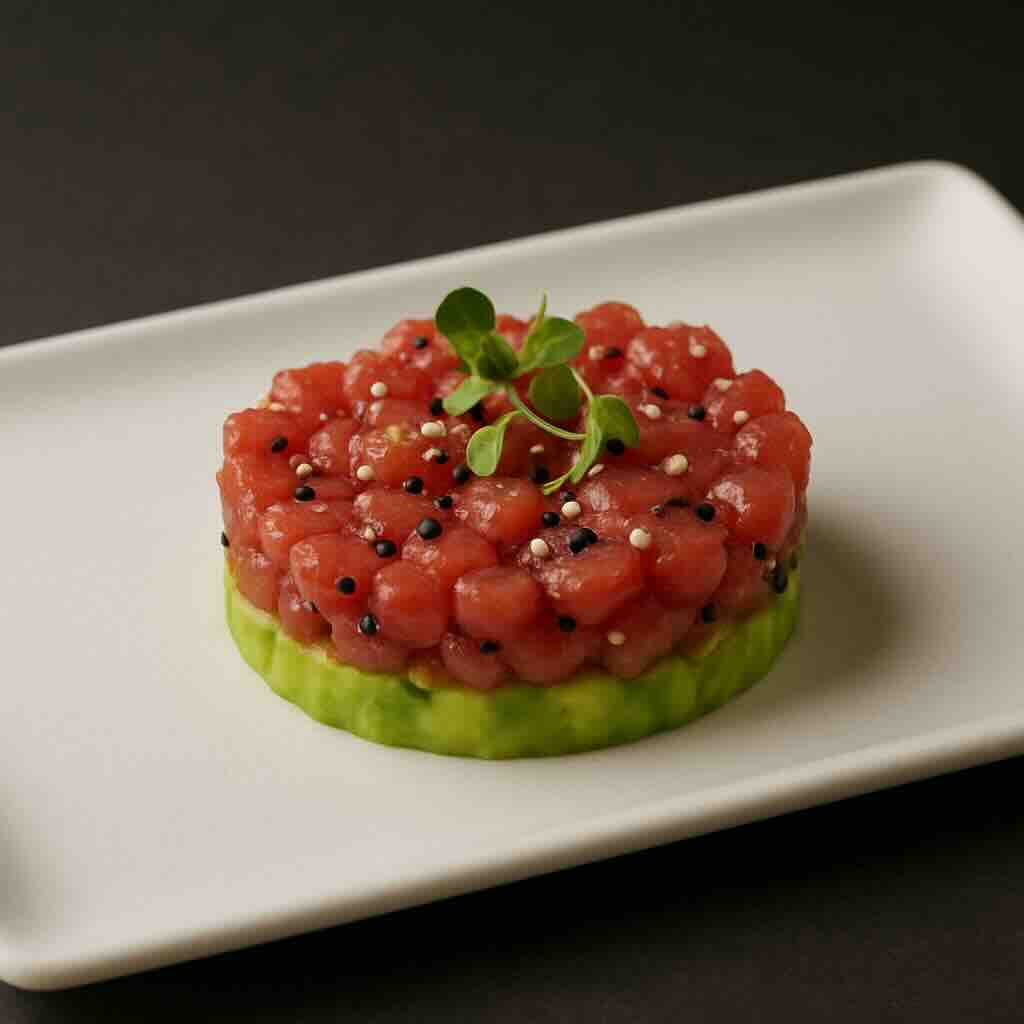
Hamachi — Japanese yellowtail — is one of the great sushi fish: silky, buttery, and a little richer than tuna, with a clean finish that loves citrus. The pairing of yellowtail with yuzu and a thin slice of jalapeño is a modern Japanese classic, and it translates beautifully into a diced tartare. The seasoning here is deliberately spare so the texture and the gentle fat of the fish stay in focus.
Instructions
- Confirm your hamachi is sold for raw eating and has been kept cold. Pat it dry and keep it refrigerated until the last moment.
- Place the hamachi in the freezer for 10 to 15 minutes to firm it up for cleaner dicing.
- With a sharp knife, cut the hamachi into neat 1/4-inch cubes. Transfer to a chilled bowl and refrigerate.
- In a small bowl, whisk together the yuzu juice (or ponzu), soy sauce, sesame oil, and grated ginger.
- Taste the dressing and balance the citrus, salt, and ginger to your liking.
- Just before serving, gently fold the dressing into the cold diced hamachi, using just enough to coat.
- Fold in most of the scallions, reserving some for garnish.
- Season lightly with a pinch of flaky salt, then taste a single piece and adjust.
- Shape with a ring mold on chilled plates, or spoon into a neat mound.
- Lay the thin jalapeño slices over the top, then scatter with the reserved scallion and sesame seeds.
- Serve immediately with cucumber rounds or rice crackers.
Nutrition Information (per serving, estimated)
Values are estimates and will vary with the cut of yellowtail and how much dressing you add.
Frequently Asked Questions
What is hamachi?
Hamachi is Japanese yellowtail, a prized sushi fish with silky, buttery flesh that is a little richer than tuna and finishes clean. The term often refers to farmed yellowtail; you may also see it called buri, with seasonal and age-based naming in Japan.
Where can I buy sashimi-grade yellowtail?
Look at a good fishmonger, a Japanese or Asian grocer, or a sushi supplier, and ask for yellowtail sold for raw consumption. Choose pale, glossy flesh with no browning that smells clean, and keep it cold from shop to plate.
What can I use instead of yuzu?
If you cannot find yuzu juice, use bottled ponzu, or make a simple substitute with equal parts fresh lime and lemon juice plus a small splash of orange. The goal is a bright, fragrant citrus note rather than sharp acidity.
How is hamachi tartare different from tuna tartare?
Hamachi is richer and more buttery than lean tuna, so it carries citrus and chili especially well and needs less added fat. Tuna tartare is leaner and meatier, which is why it often pairs with sesame, soy, and avocado for richness.
You May Also Like
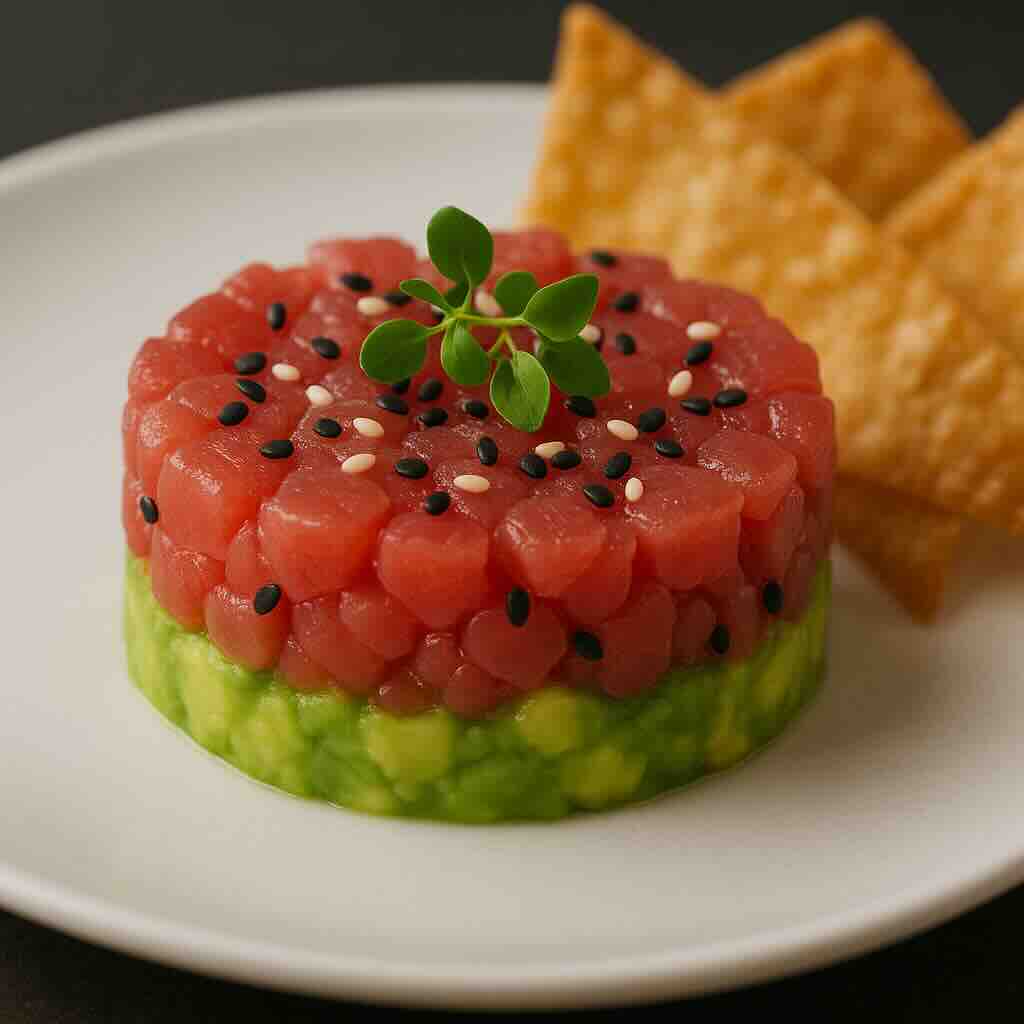
Spicy Tuna Tartare
Bold tuna with sriracha and sesame
Tuna & Avocado Tartare
Asian-inspired tuna with creamy avocado
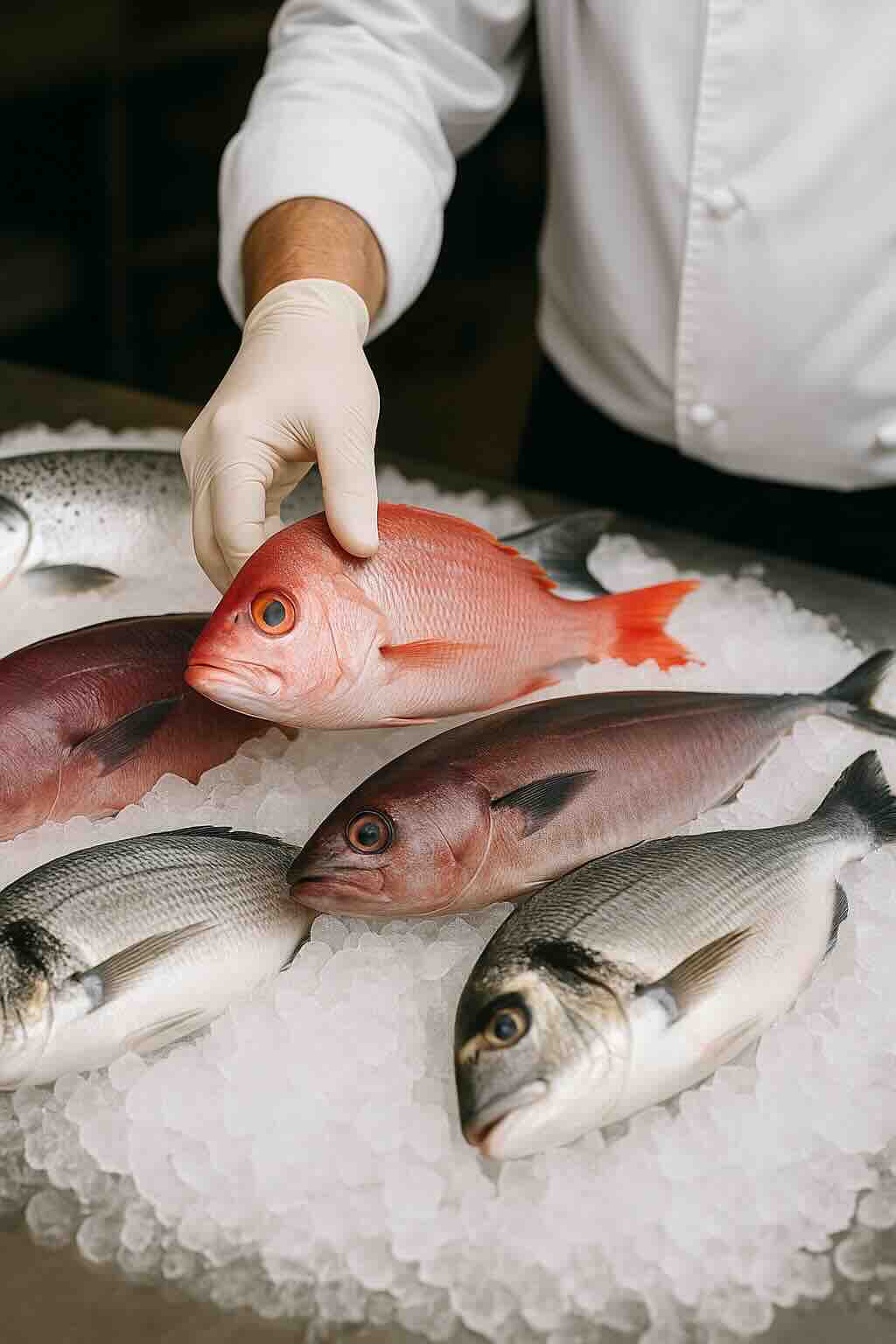
Selecting Safe Seafood
Essential guide to buying quality seafood