Horse Tartare
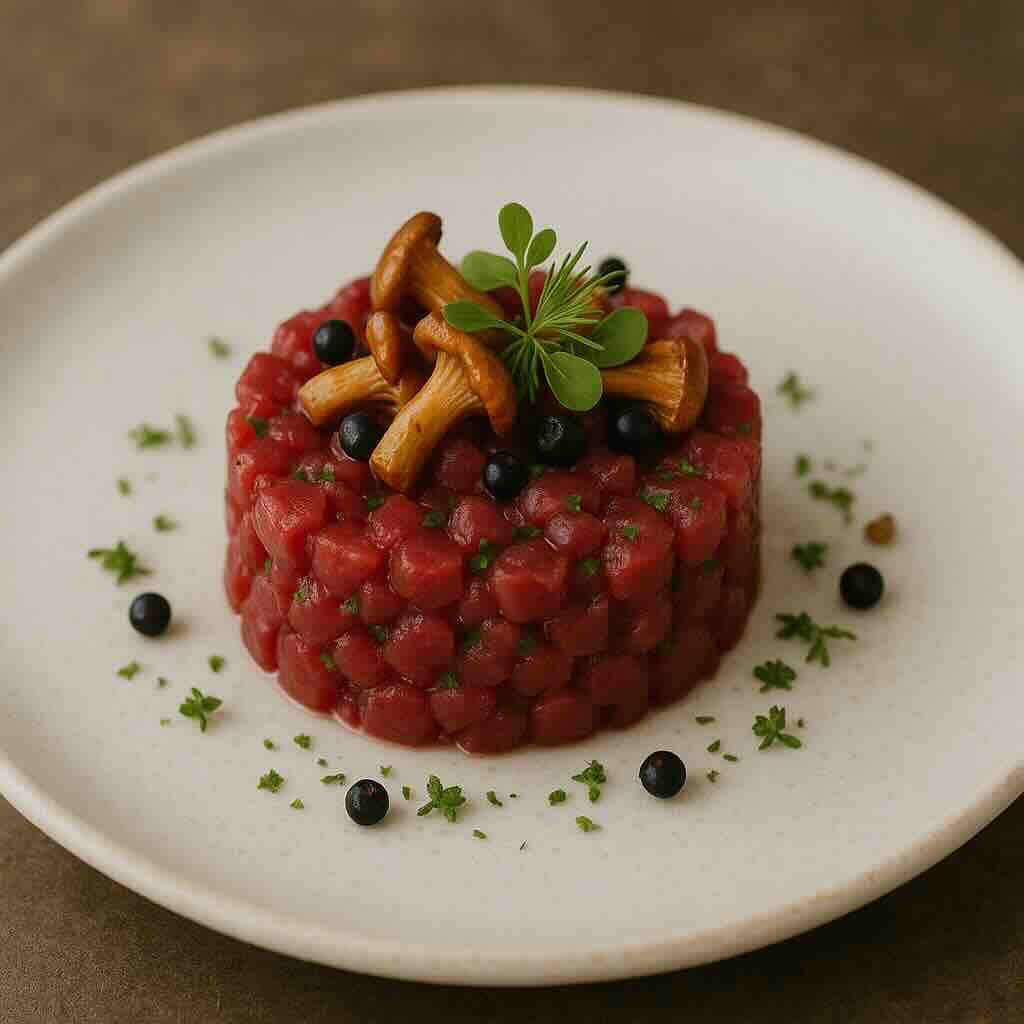
Horse tartare is a long-standing specialty across parts of Europe. It is a familiar bistro and butcher-counter dish in France and French-speaking Belgium, where it is sometimes labeled tartare de cheval or filet américain de cheval; in northern Italy, especially the Veneto and Piedmont, where it appears as tartare di cavallo; and in Switzerland and parts of Central Europe. Horsemeat is leaner than beef, deep red, and has a clean, faintly sweet flavor that takes well to the classic French tartare seasoning.
Because it is so lean, horse tartare benefits from a little added fat (a good olive oil) and a generous, confident hand with the acid and seasoning. The method below is the standard whole-muscle, hand-cut approach.
Instructions
- Buy the horsemeat from a butcher you trust, as fresh as possible, and tell them it will be eaten raw. Keep it cold from shop to kitchen and use it the same day.
- Chill your knife, cutting board, and a mixing bowl. Working with cold equipment keeps the meat firm and slows bacterial growth.
- Trim away any silverskin, sinew, and surface fat. Cut the meat into thin slices, then into strips, then into a small, even dice (roughly 3–4mm). Do not use a food processor, which crushes rather than cuts.
- Return the diced meat to the refrigerator while you prepare the rest, keeping handling time short.
- In the chilled bowl, combine the shallot, capers, cornichons, Dijon mustard, and Worcestershire sauce.
- Whisk in the olive oil. Because horse is very lean, this added fat carries the seasoning and improves the mouthfeel.
- Add the diced meat to the bowl and fold gently with a fork or spatula until just combined. Avoid mashing.
- Fold in the parsley and chives, then sharpen with a few drops of red wine vinegar or lemon juice.
- Season with flaky salt and black pepper. Taste and adjust the acid and salt; lean meat usually wants a touch more than you expect.
- Shape into two neat mounds using a ring mold on chilled plates. If using, make a small indent and rest a fresh egg yolk on top just before serving.
- Serve immediately with toasted bread and lightly dressed greens. Do not let the tartare sit at room temperature.
- Discard any tartare that is not eaten within a short serving window; do not keep leftovers.
Nutrition Information (per serving, estimated)
Values are rough estimates for the seasoned tartare without bread, and will vary with the cut and exact ingredients.
Frequently Asked Questions
Do people really eat raw horse?
Yes. Raw horse tartare is a traditional dish in France, French-speaking Belgium, northern Italy, Switzerland, and parts of Central Europe, where horsemeat has long been sold for human consumption. It is far less common in places where eating horse is uncommon or taboo.
What does horse tartare taste like?
Horsemeat is lean, deep red, and tender, with a clean flavor that is slightly sweeter and a little more delicate than beef. In tartare it tastes savory and fresh rather than gamey, and it carries the classic mustard, caper, and shallot seasoning well.
Where can I buy horsemeat for tartare?
In regions where it is eaten, look for a specialist horse butcher (in France, a boucherie chevaline) or a butcher counter that stocks it. Ask for a lean whole-muscle cut, buy it as fresh as possible, and tell them it will be eaten raw. Where horsemeat is not sold for raw consumption, this dish is not practical to make safely.
How is horse tartare different from beef tartare?
The method is essentially the same, but horse is leaner and slightly sweeter than beef. Because there is less internal fat, it helps to add a little olive oil and to season assertively so the dish does not taste flat.
You May Also Like
Bison Tartare
Another lean red meat given the classic treatment
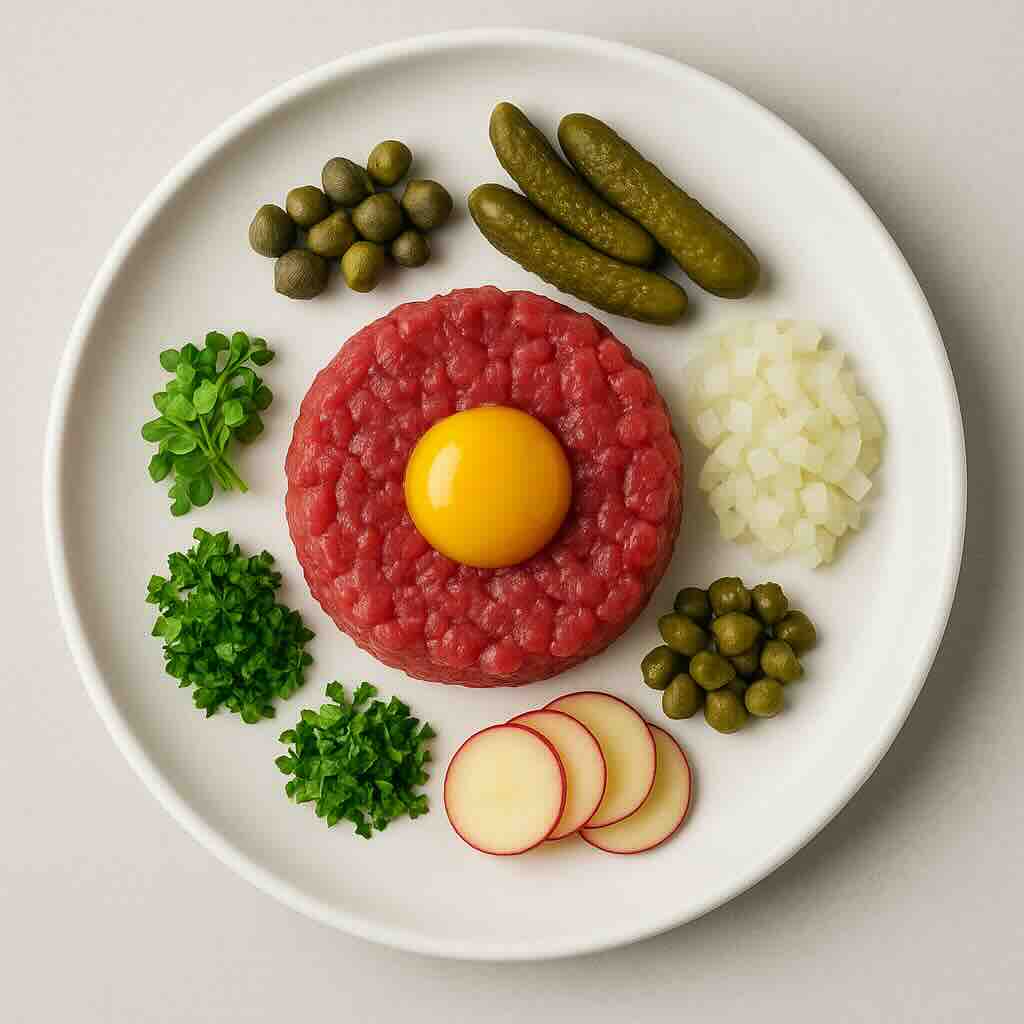
Classic Beef Tartare
The canonical French hand-cut tartare
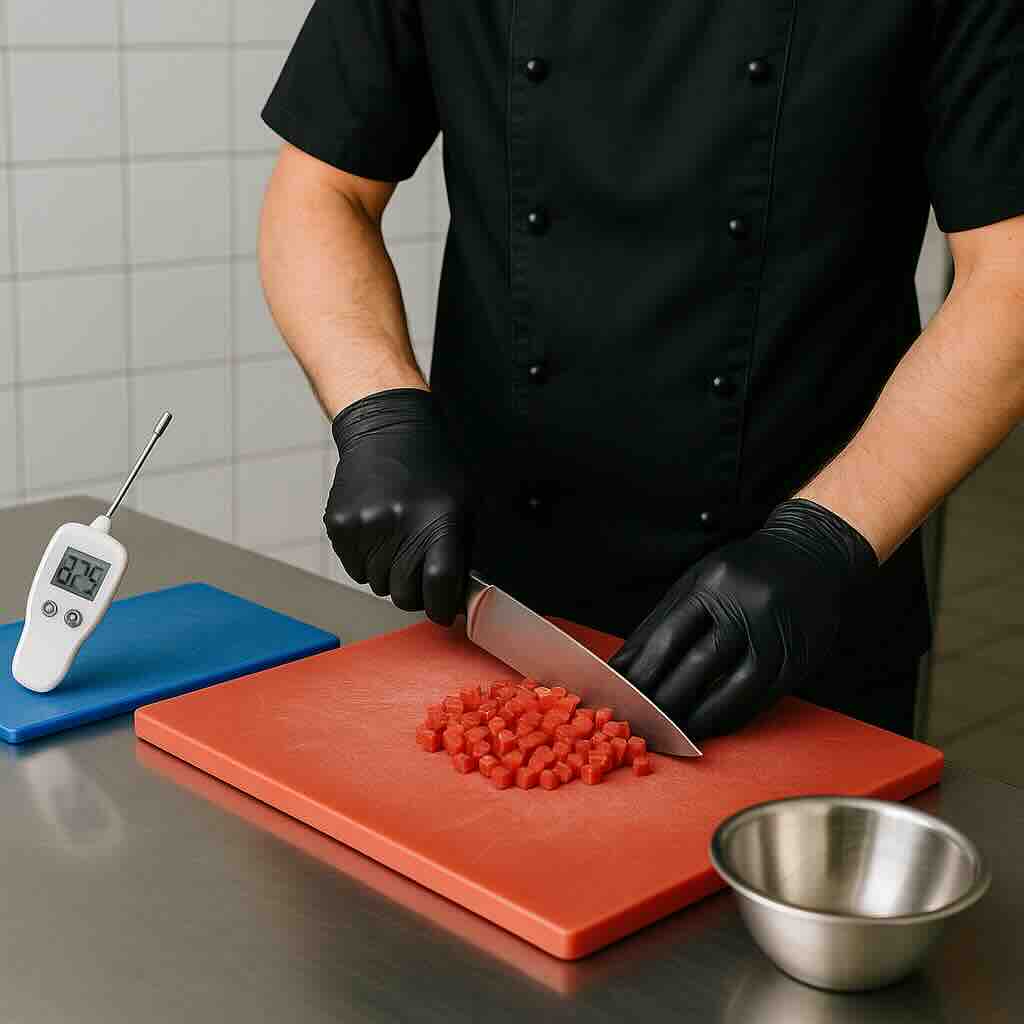
Sourcing Quality Meat
How to buy meat that is safe to eat raw
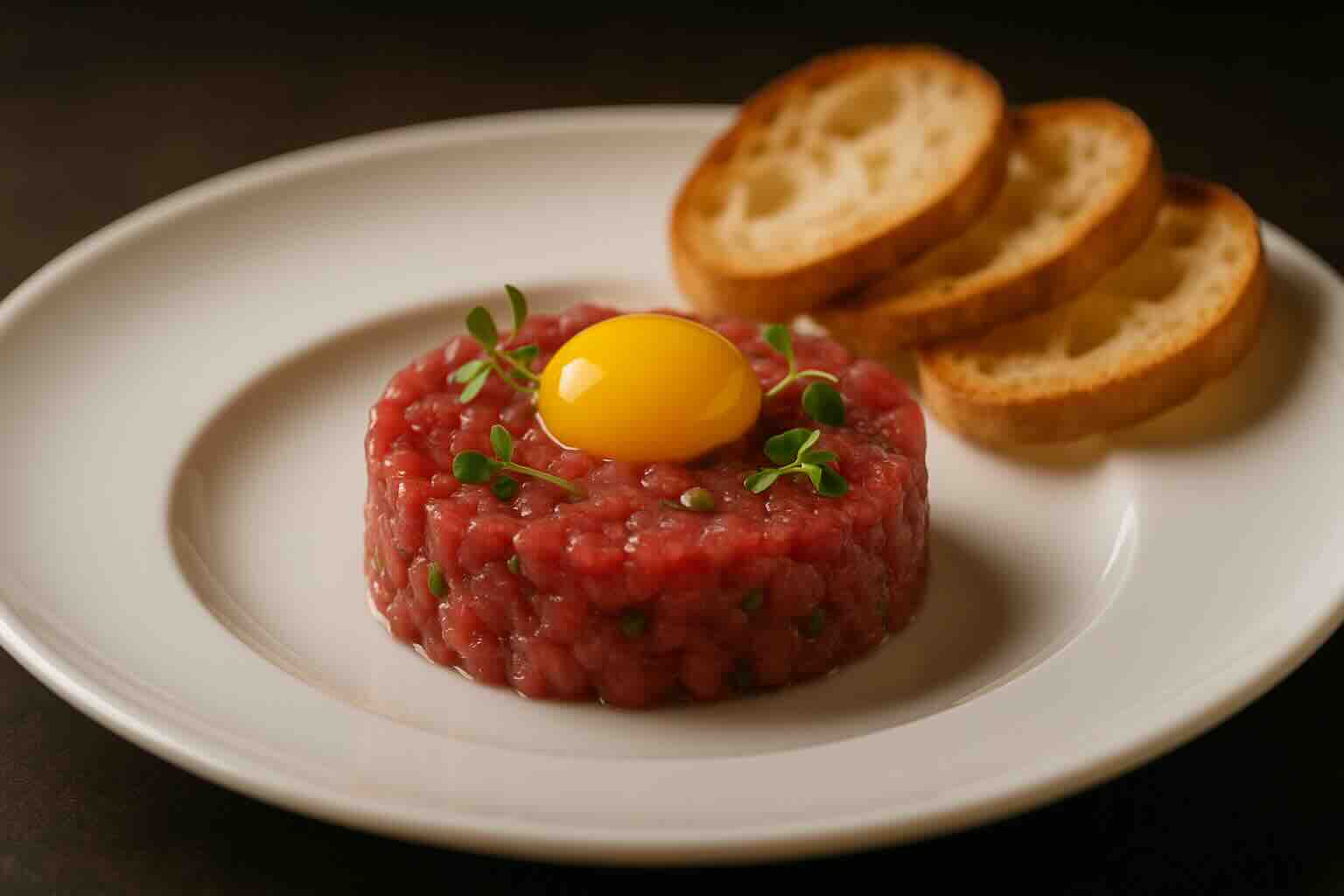
Master Knife Skills
Hand-cutting technique for clean tartare