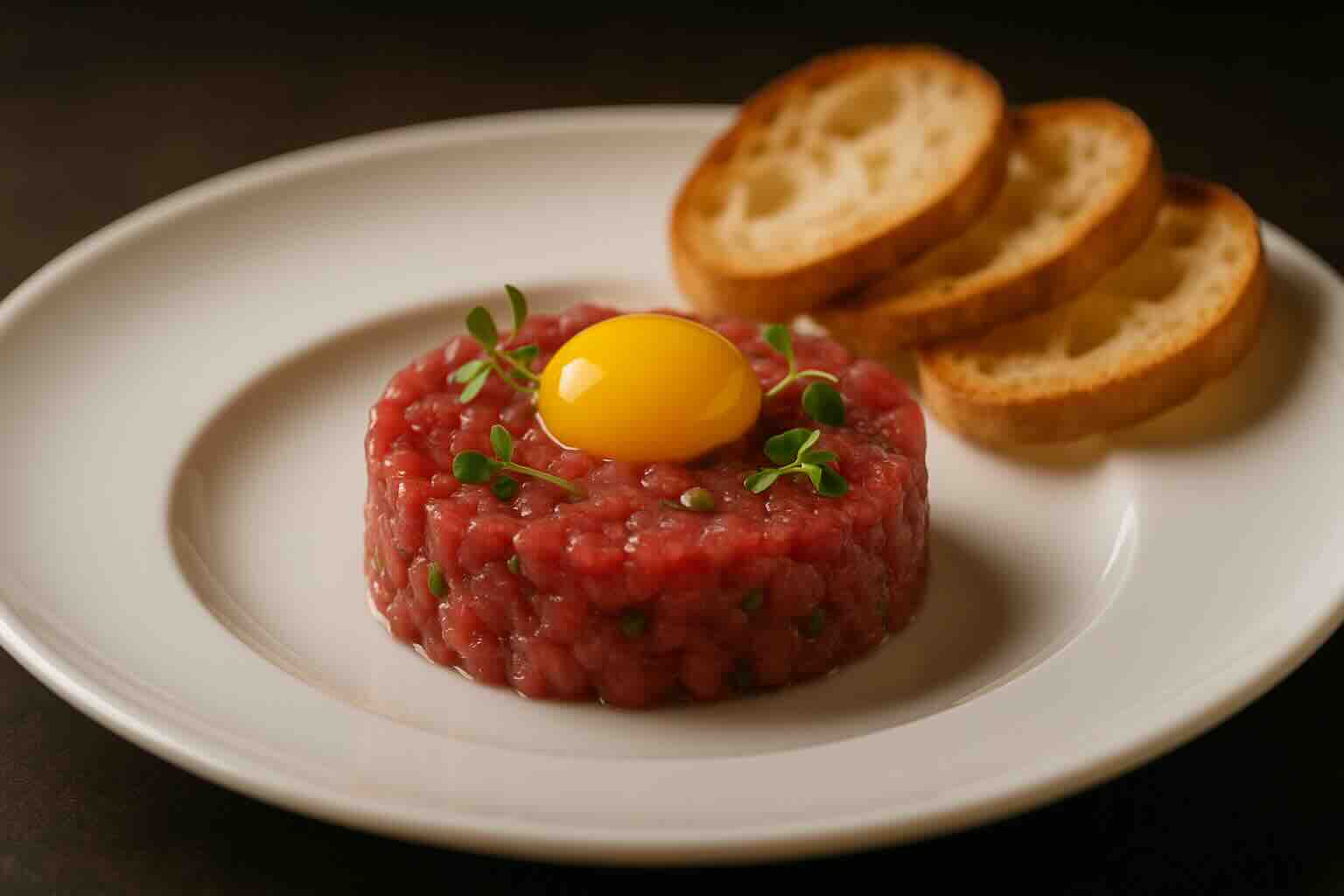
Lamb Tartare
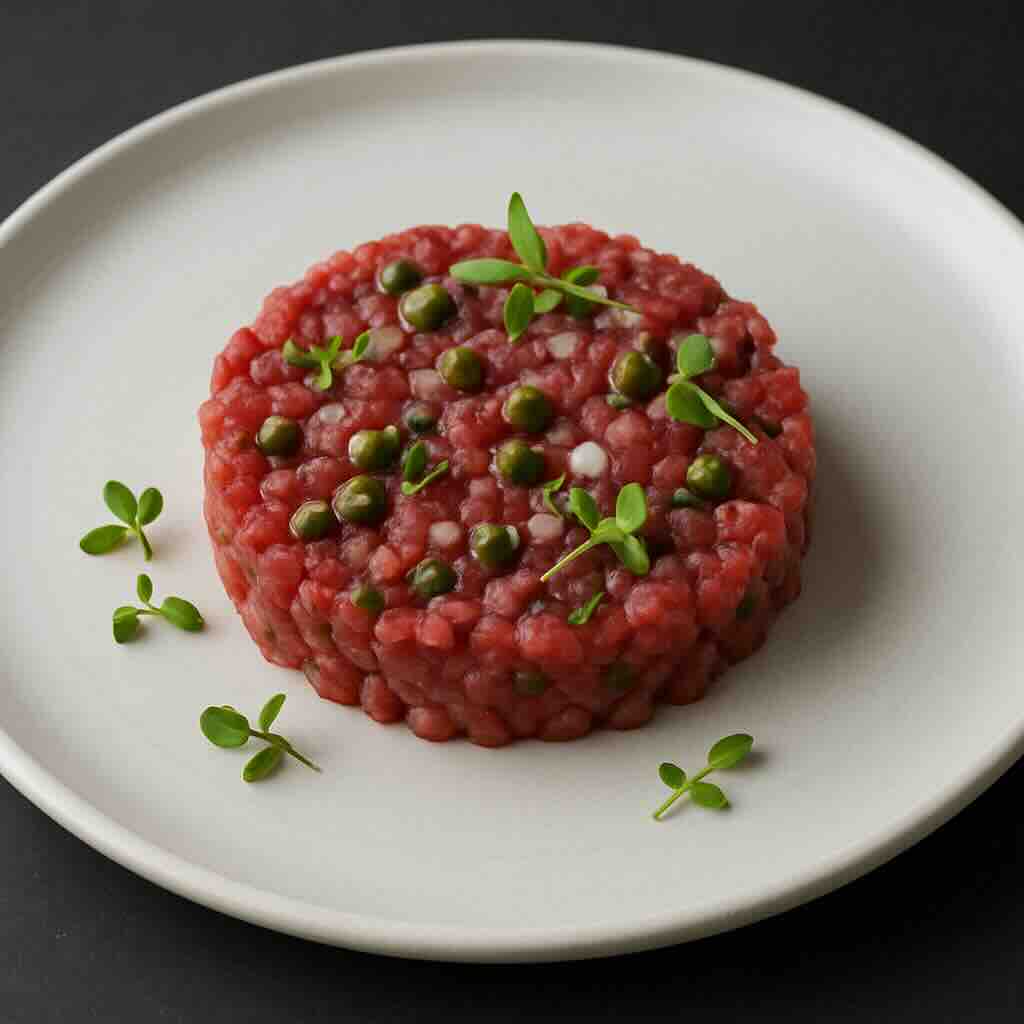
Lamb tartare is a modern, Mediterranean-leaning take on the raw-meat classic. Worked from a lean, well-trimmed leg, lamb has a distinctive, mildly sweet flavor that pairs naturally with mint, harissa, preserved lemon, cumin, and good olive oil. It is less traditional than beef tartare, so treat it as a confident kitchen experiment built on careful sourcing.
Choose lamb leg (or a trimmed loin) rather than fattier cuts: the intramuscular fat in lamb can taste waxy when cold and raw, so you want lean meat plus a little added olive oil for smoothness. Season assertively; the spice and acid here are part of the point.
Instructions
- Buy a lean cut of lamb leg from a butcher you trust, as fresh as possible, and tell them it will be eaten raw. Keep it cold from shop to kitchen and use it the same day.
- Chill your knife, cutting board, and a mixing bowl. Cold equipment keeps the meat firm and slows bacterial growth.
- Trim away all surface fat, silverskin, and sinew. Lamb fat tastes waxy when cold and raw, so be thorough.
- Cut the lamb into thin slices, then strips, then a small, even dice of about 3–4mm. Do not use a food processor.
- Return the diced lamb to the refrigerator while you build the seasoning, keeping handling time short.
- Lightly toast the cumin in a dry pan for a few seconds until fragrant, then cool.
- In the chilled bowl, combine the shallot, optional garlic, harissa, preserved lemon, and cumin.
- Whisk in the olive oil. Because lean lamb leg has little usable fat, this oil is what keeps the tartare smooth rather than dry.
- Add the diced lamb and fold gently with a fork until just combined. Do not overwork it.
- Fold in the mint and parsley, then brighten with a squeeze of lemon juice.
- Season with flaky salt and black pepper. Taste and adjust the harissa, salt, and acid; lean, spiced tartare wants to be bold.
- Shape into two mounds with a ring mold on chilled plates and serve immediately with warm flatbread and dressed greens. Do not let it sit out, and do not keep leftovers.
Nutrition Information (per serving, estimated)
Values are rough estimates for the seasoned tartare with added oil, without bread, and will vary with the cut and ingredients.
Frequently Asked Questions
Can you eat lamb raw?
Lamb can be eaten raw in a tartare if it is very fresh, well sourced, and properly handled, but it is less traditional than beef and carries the same general risks as any raw meat. It is never zero-risk; reduce risk with a trusted source, a cold chain, clean tools, and prompt serving, and have vulnerable groups avoid it. Follow the food-safety guidance where you live.
What cut of lamb is best for tartare?
Use a lean, whole-muscle cut, ideally leg of lamb or a trimmed loin, rather than fattier cuts or anything pre-ground. Trim away all surface fat, silverskin, and sinew, since lamb fat can taste waxy when cold and raw.
How should I season lamb tartare?
Lamb pairs beautifully with Mediterranean and North African flavors: mint, harissa, preserved lemon, garlic, and toasted cumin, finished with lemon juice. Because lean lamb leg has little usable fat, whisk in a little olive oil to keep the texture smooth, and season boldly.
How do I keep lamb tartare safe?
Buy the freshest lean cut from a trusted butcher and tell them it is for raw eating, keep everything cold, chill your tools, minimize handling time, serve it immediately, and discard any leftovers. Vulnerable groups should not eat it at all.
You May Also Like
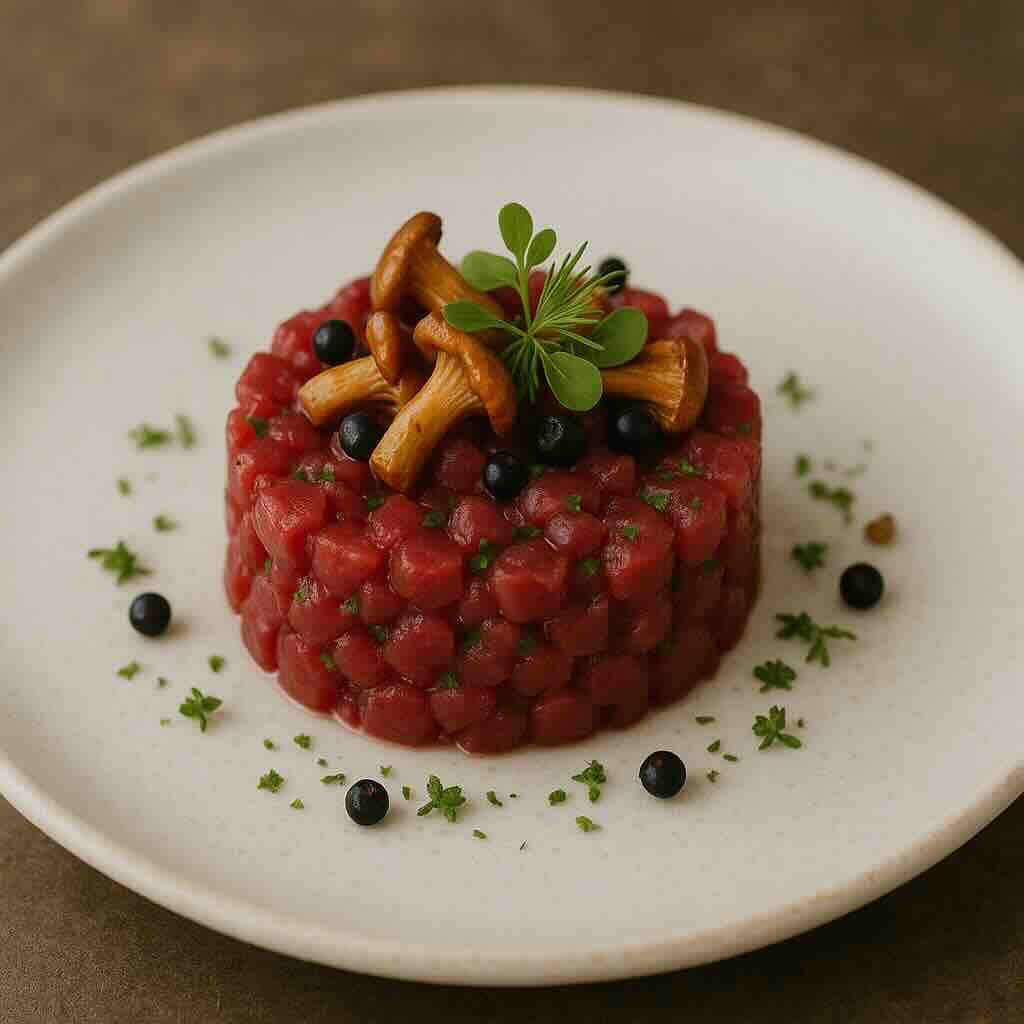
Bison Tartare
Another lean red meat for classic tartare
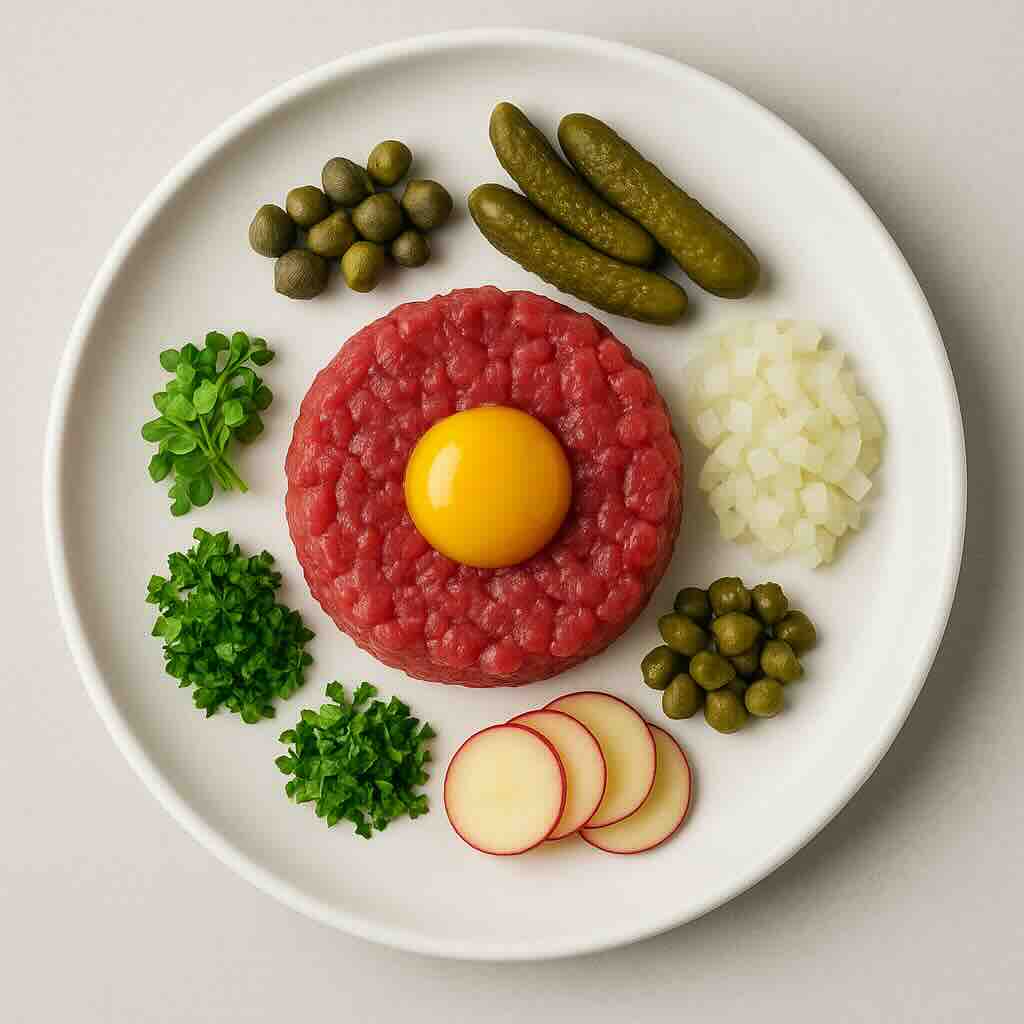
Classic Beef Tartare
The canonical French hand-cut tartare
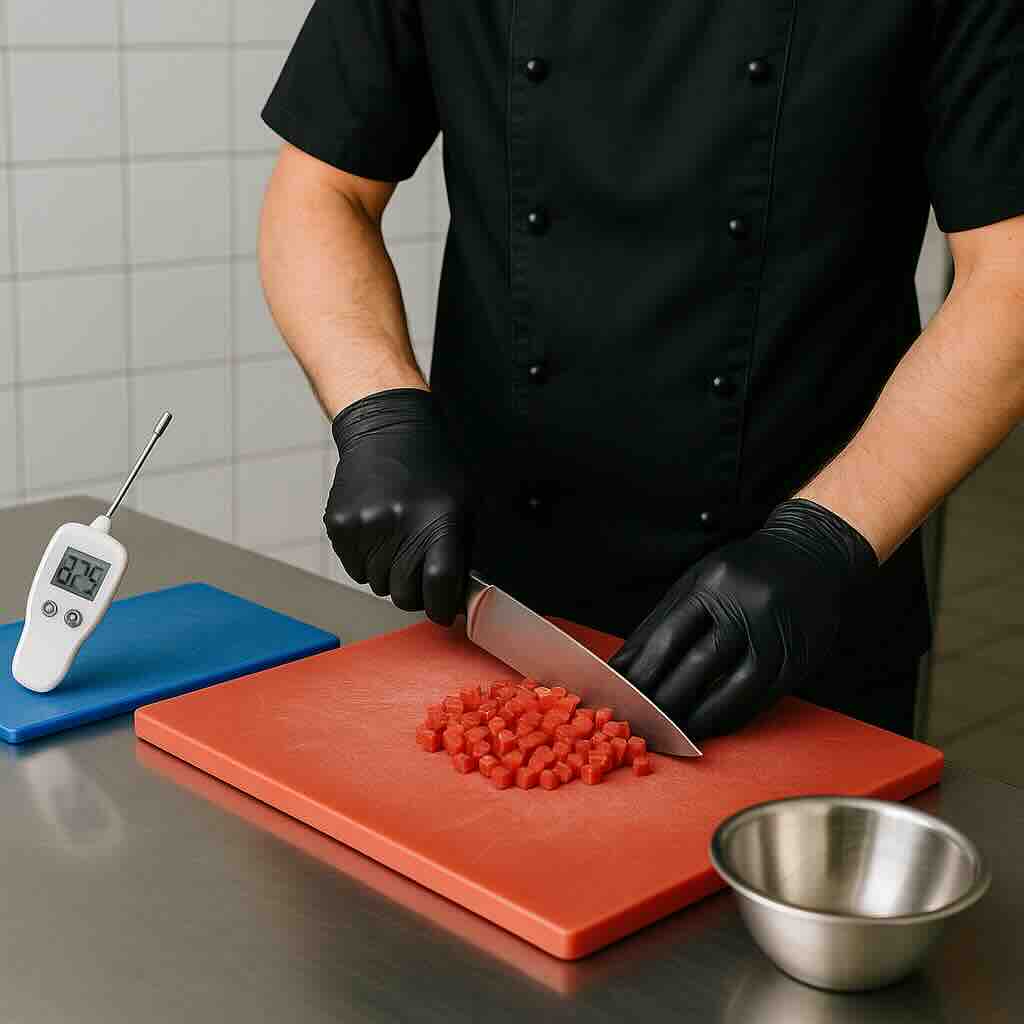
Sourcing Quality Meat
How to buy meat that is safe to eat raw
Master Knife Skills
Hand-cutting technique for clean tartare