Mett (German Raw Pork) — What to Know
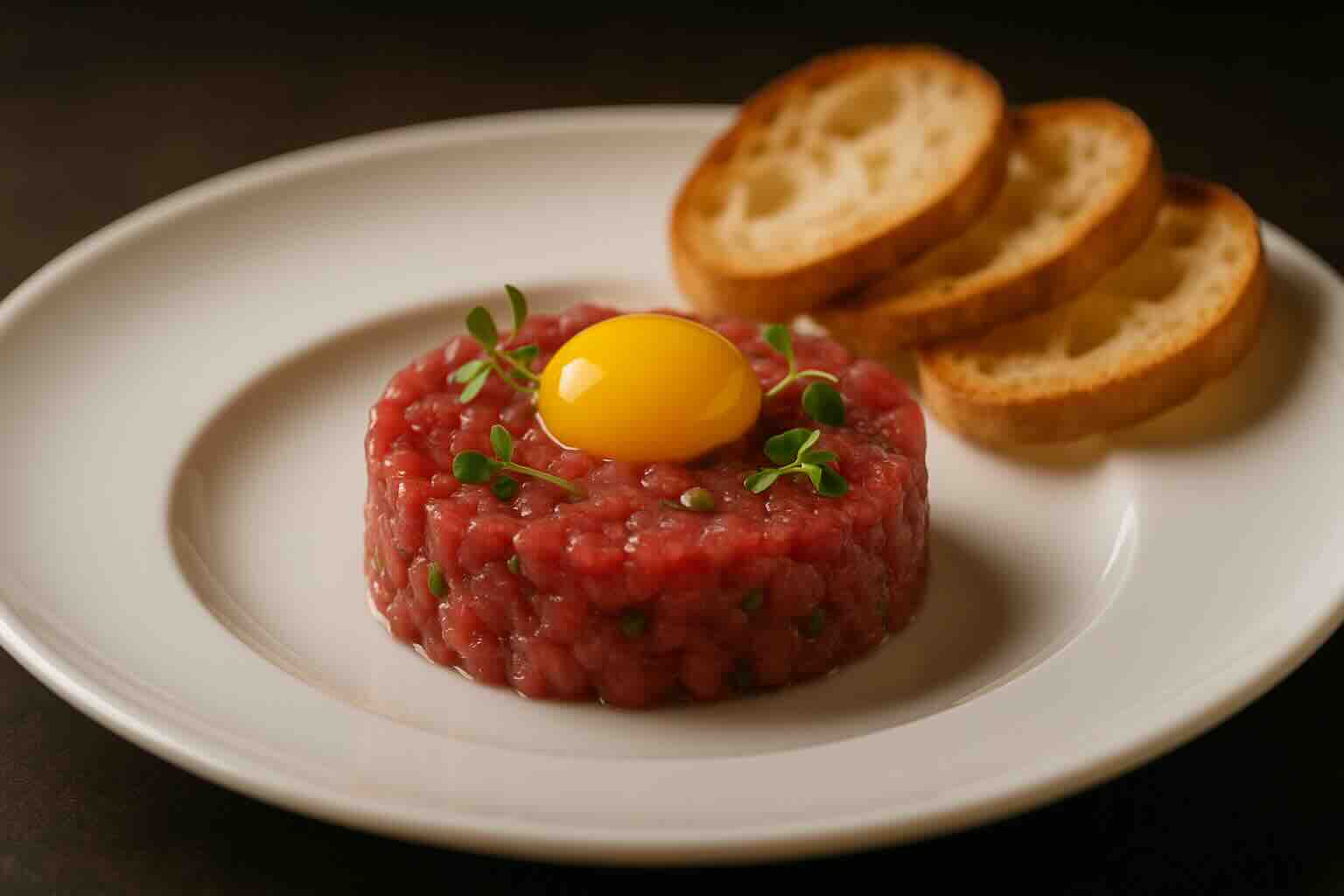
Mett (also called Hackepeter or Schweinemett) is a German specialty of seasoned raw minced pork. It is a normal, everyday food in much of Germany — spread on a bread roll (a "Mettbrötchen"), topped with raw onion rings or chopped onion, and often served at parties, sometimes shaped into a hedgehog ("Mettigel") studded with onion. It is treated with the same casualness as a deli sandwich, because the German food system is built to support it.
Background reading: for the full story (what Mett and the Mettigel are, the German rules on minced meat and Trichinella testing, and why raw pork is not sold for raw eating in the UK or US), see why Germans eat raw pork.
Why it works in Germany
Mett in Germany is sold only as fresh minced pork meeting defined standards, kept cold, and intended to be eaten the day it is bought. German law historically restricts the fat content and the hours of sale for raw minced pork, and the pork supply is subject to systematic inspection. Decades of Salmonella-control programmes and the near-elimination of Trichinella in inspected herds are what make the tradition workable there. The dish is not "safe because it is traditional" — it is workable because the system around it is tightly controlled and the meat is extremely fresh.
Why we don't recommend it elsewhere
Remove those guarantees and the calculus changes. Pork sold for cooking is not handled to the same raw-consumption standard. The hazards specific to raw pork — Yersinia enterocolitica, Salmonella, and, where control is weaker, parasites such as Trichinella and pork tapeworm — are exactly the ones that thorough cooking eliminates. This is the core reason general food-safety advice in most countries says to cook pork. If you are not buying from a butcher operating to a verified raw-Mett standard, treat raw pork as off the table.
A safer alternative: do it with beef
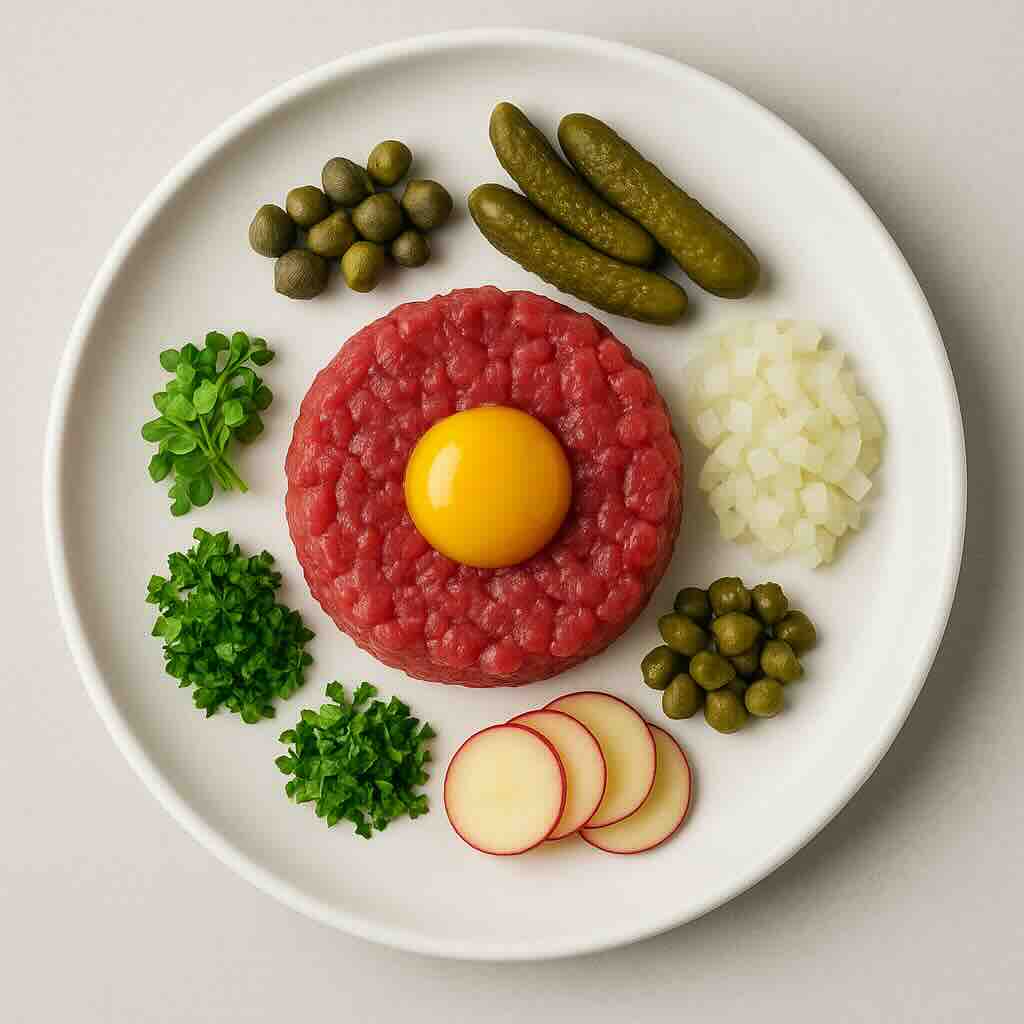
The seasoning of Mett — salt, pepper, raw onion — is essentially a plain, savory tartare. You can capture the spirit of the dish far more safely by using very fresh, whole-muscle beef from a butcher you trust, minced just before serving. Whole-muscle beef carries its risk mainly on the surface, which is why a well-sourced beef tartare is a more defensible raw-meat choice than raw pork. Our classic beef tartare is a good starting point. The other safe route is simply to cook the seasoned pork into quick patties — the flavor of onion and pepper still shines.
The traditional preparation (descriptive)
For completeness, this is how Mett is traditionally assembled in Germany, where the supply chain supports it. We describe it rather than endorse making it elsewhere.
How it is assembled (read the warning above first)
- Buy the meat the day you intend to serve it, from a source that sells it specifically for raw consumption, and keep it cold the entire way home.
- Keep everything refrigerated until the moment of assembly; raw minced meat warms quickly.
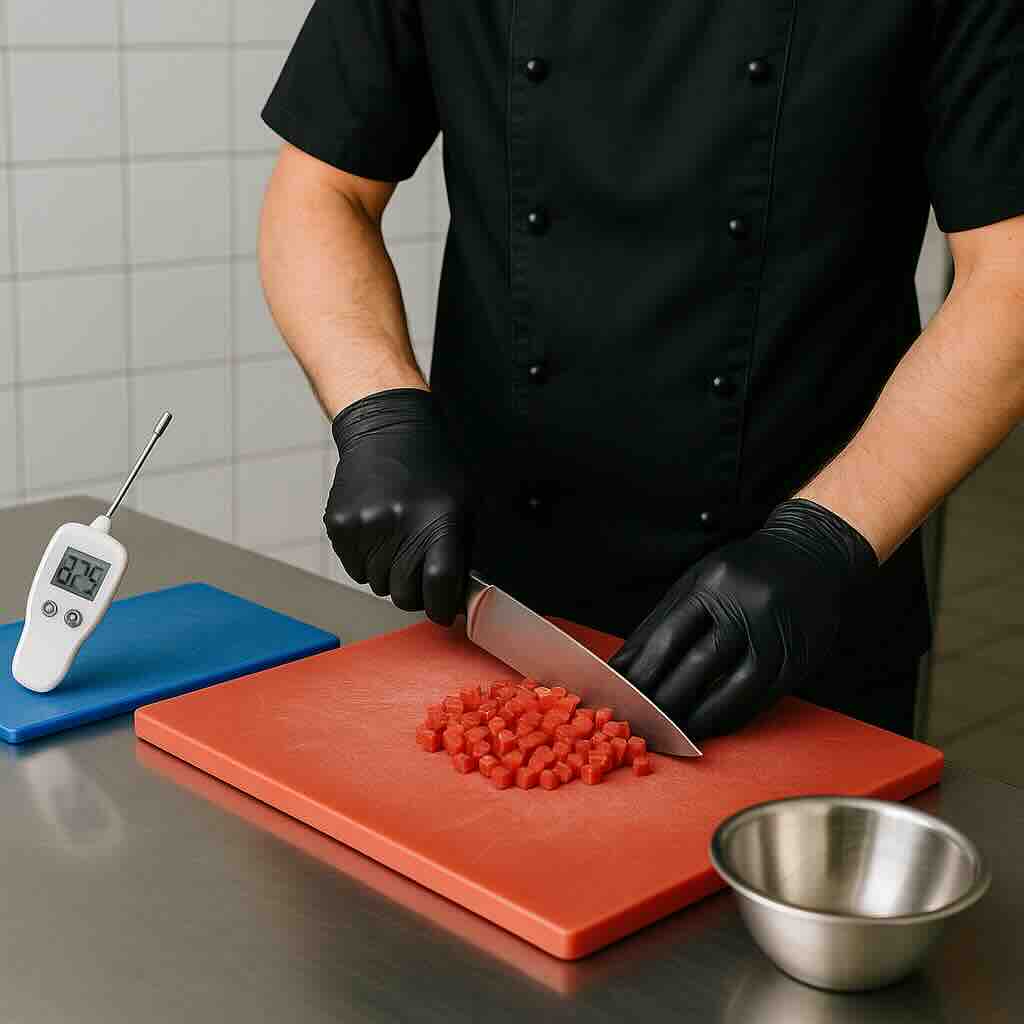
- Work on a scrupulously clean board with clean hands and clean tools.
- Season the minced meat lightly with salt and freshly ground pepper. Do not overwork it.
- Add a pinch of caraway if using, for the traditional note.
- Spread a thin layer on fresh bread rolls just before serving.
- Top generously with raw onion, finely chopped or in rings.
- Add a little mustard if you like.
- Serve immediately, while cold and fresh.
- Never keep leftovers. Discard anything not eaten promptly.
- If you have any doubt about the source, freshness, or handling, cook the seasoned meat through into patties instead and serve it warm.
Nutrition Information (per ~80g portion, estimate)
Values are estimates for the meat alone, excluding bread, and vary with the fat content of the pork.
Frequently Asked Questions
Is it safe to eat raw pork?
Generally, no. Raw pork can carry bacteria such as Yersinia and Salmonella and, where control is weaker, parasites such as Trichinella and pork tapeworm, which cooking destroys. Mett works in Germany because of strict inspection, fat and freshness rules, and same-day sale of pork produced specifically for raw consumption. Without those guarantees, raw pork should be cooked.
Why do Germans eat Mett?
Mett is a long-standing everyday tradition in Germany, eaten on bread rolls with raw onion. It is workable there because the supply chain is tightly regulated: the pork is inspected, the fat content and sale conditions are restricted, and it is meant to be eaten the day it is bought. The tradition rests on that system, not on the meat being inherently safe.
Can I make it outside Germany?
We do not recommend making raw Mett outside Germany or a region with comparable pork inspection and raw-consumption standards. Pork sold for cooking elsewhere is not handled to the same raw standard. If you want the experience, use very fresh, trusted whole-muscle beef with the same seasoning, or cook the seasoned pork through.
What's a safer alternative?
Use the same seasoning (salt, pepper, raw onion) with very fresh, whole-muscle beef minced just before serving, as in a classic beef tartare. Whole-muscle beef carries its risk mainly on the surface, making a well-sourced beef version more defensible than raw pork. Vulnerable groups should avoid all raw meat and choose a fully cooked option.
You May Also Like
Why Germans Eat Raw Pork
Mett, the Mettigel, German rules and UK availability
Classic Beef Tartare
A safer, well-sourced raw-meat option
Complete Food Safety Guide
The fundamentals of raw-meat safety
Sourcing Quality Meat
How to find meat you can trust
Cannibal Sandwich
Another higher-risk regional raw-meat tradition