Tartare and ceviche look similar on the plate — small pieces of seafood, fresh herbs, a bright dressing — and both are often described as "raw." But there is a real difference in what the acid is doing, how the texture turns out, and, importantly, what each does and does not do for safety. The most common misconception is that the lime juice in ceviche "cooks" the fish in a way that makes it safe. It does not, and this article explains why.
Below we compare the two preparations on texture, flavor, and origin, and we are candid about the safety question. Our guidance defers to local food-safety authorities; treat specifics here as our editorial position rather than regulation.
The core difference: raw vs. acid-"cooked"
Tartare is genuinely raw. The protein is diced and seasoned, and the dressing is added shortly before serving so the texture stays soft and the protein stays uncured. Ceviche, by contrast, marinates raw fish in citrus juice — usually lime or lemon. The acid denatures proteins on the surface and through the flesh, turning it opaque and firm in a way that visually resembles cooking. This is why ceviche is often called "cooked in citrus." But the resemblance is chemical, not thermal: no heat is applied, and that distinction matters for safety.
Texture and flavor
A tartare is tender and yielding. Because nothing has firmed the protein, each bite is soft, and the seasonings sit on the surface. The flavor is clean and led by whatever you mix in — mustard and capers for beef, soy and sesame for tuna.
Ceviche is firmer and more opaque, with a texture closer to lightly cooked fish, and it is unmistakably tangy from the citrus. The longer the fish sits in acid, the firmer and more "cooked-looking" it becomes — left too long, it turns rubbery. Ceviche flavor is dominated by acidity, often balanced with chili, onion, cilantro, and sometimes a little sweetness from corn or sweet potato in regional versions.
Does the citrus make ceviche safe?
This is the key point, and the honest answer is no. Citrus acid changes the texture and can reduce some bacteria over time, but it does not reliably destroy all bacteria, viruses, or parasites the way cooking heat does. Marinating in lime juice is not a substitute for the controls that make raw fish safer — primarily good sourcing and, for parasite risk, appropriate freezing. Outbreaks have been linked to ceviche, which underscores that the acid alone is not a safety guarantee.
Cultural origins
Tartare is rooted in French and broader European cuisine and later spread to fish and vegetables. Ceviche is a Latin American tradition, strongly associated with the Pacific coast of countries such as Peru and Ecuador, where it is a national dish with many regional styles. The two grew up independently — one around mixing and seasoning, the other around the citrus marinade — and any resemblance on a modern plate is incidental.
Side-by-side comparison
| Feature | Tartare | Ceviche |
|---|---|---|
| Is it raw? | Yes, fully raw | Acid-"cooked," but no heat applied |
| What the acid does | Little or no marinating; added late | Denatures protein; firms and whitens it |
| Texture | Soft and tender | Firm and opaque |
| Dominant flavor | Seasonings (mustard, soy, capers) | Bright citrus acidity |
| Culinary origin | French / European | Latin American (Pacific coast) |
| Does it kill pathogens? | No — relies on sourcing and freezing | No — acid is not a substitute for these |
| Typical proteins | Beef, tuna, salmon, scallop | White fish, shrimp, scallop, octopus |
So which should you make?
If you want a soft, savory, seasoned bite that tastes purely of the protein, make a tartare. If you want something bright, firm, and tangy that holds up to chili and onion, make a ceviche. The decision is about flavor and texture, not safety — both depend on the same sourcing discipline, and neither is appropriate for vulnerable diners.
Can you combine the ideas?
You can add a small amount of citrus to a fish tartare for brightness without fully marinating it — this keeps the tender texture while nodding to ceviche's acidity. The trick is to dress at the last moment so the acid does not have time to firm the fish. If you let it sit, you have drifted from tartare toward ceviche, which is fine as long as you understand what you have made.
Choosing the fish for each
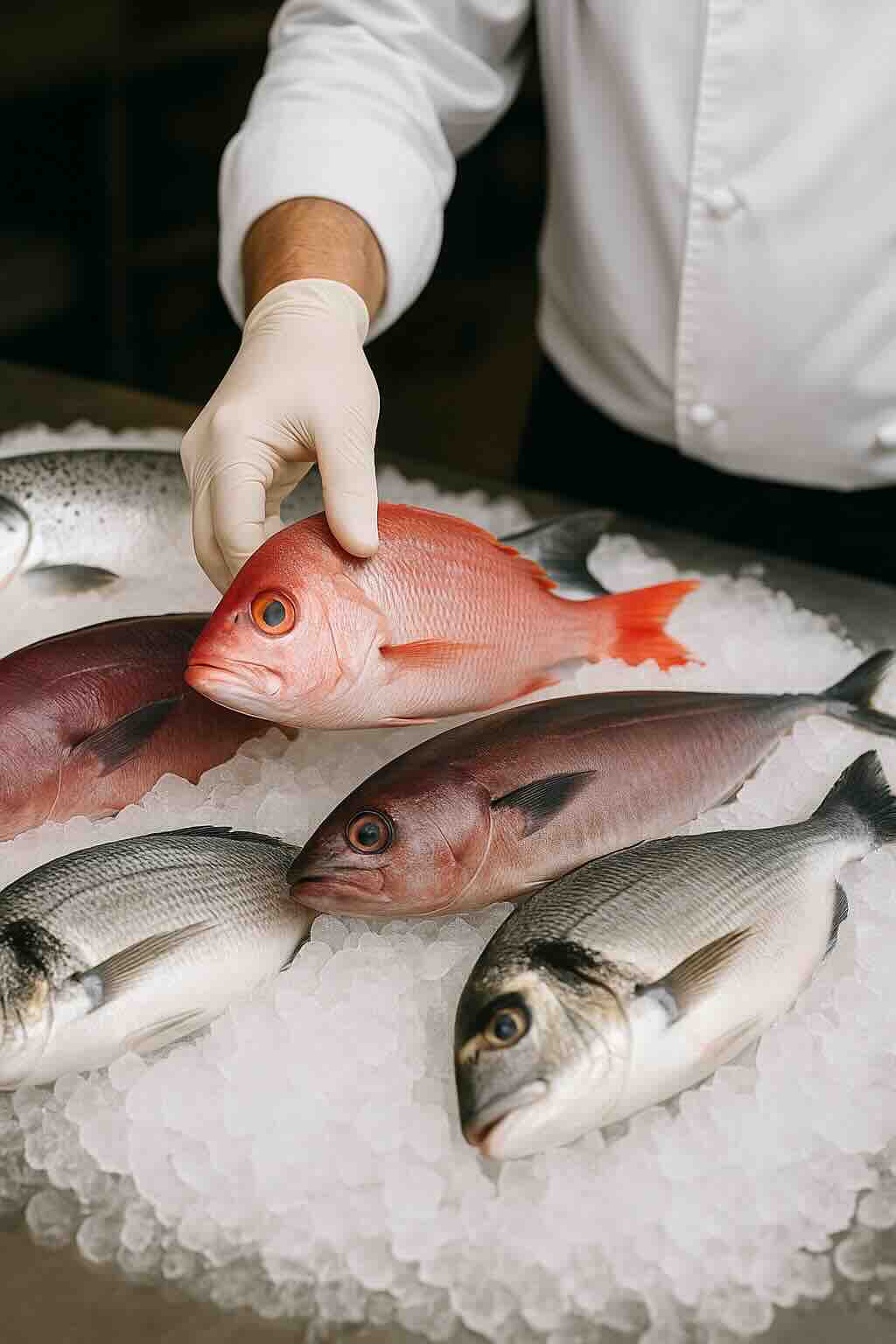
The two dishes also tend to favor different fish. Tartare often uses richer, fattier species such as tuna and salmon, whose softness and oil suit a tender, lightly dressed preparation. Ceviche classically uses firm, lean white fish — the kind that holds its shape and turns appealingly opaque in the citrus — as well as shrimp, scallop, and octopus in regional versions. Whichever you choose, the same rule applies: the fish must be of a quality and handling appropriate for raw consumption, because no amount of seasoning or citrus rescues a fish that should not be eaten raw in the first place. When in doubt, ask your fishmonger directly whether the fish is intended for raw use, and buy accordingly.