Making tartare or crudo at home depends entirely on the fish you start with. The hard part is not technique — it is sourcing, because the label most people search for does not mean what they think. This guide covers where people actually buy raw-suitable fish, the questions that matter, and the warning signs to walk away from. Where a purchase touches safety, defer to the formal guidance and to our food-safety articles.
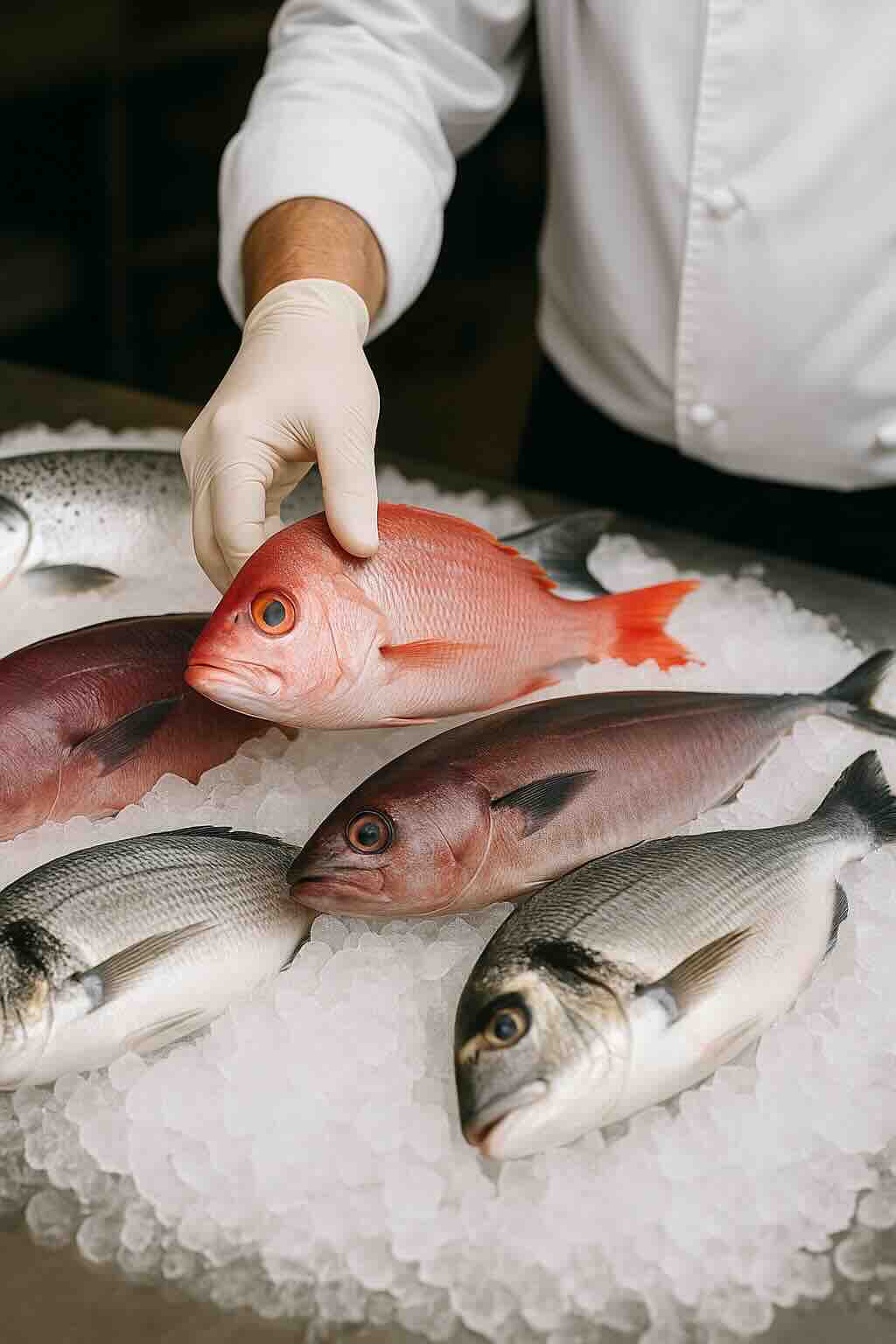
First: "sushi-grade" is a marketing term
There is no legal or regulatory standard behind the words "sushi-grade" or "sashimi-grade." No agency certifies them, and any seller can print them on a label. What actually makes fish safe to eat raw is a combination of species, handling, freshness, and — for parasite risk — whether it has been frozen to a specific temperature-and-time spec. We cover the term in depth in sushi-grade vs sashimi-grade; read it before you shop.
Where people actually source it
No single venue is automatically right. What they have in common, when good, is a knowledgeable person you can ask and an honest answer about handling.
A trusted fishmonger or specialty counter
A dedicated fishmonger who knows their supply chain is usually the best option. They can tell you what arrived that day, how it was handled, whether it was previously frozen, and whether they would eat it raw. Build a relationship; a counter that knows you is more likely to set aside the right piece.
Japanese and Asian grocers
Stores that serve a sashimi-eating clientele often carry fish handled and labelled specifically for raw use, and the staff are used to the question. Selection and turnover are frequently excellent. Still ask the same questions — the value here is that the answer is more likely to be a confident yes.
Online vendors that ship frozen
Reputable online sellers ship fish frozen and insulated, often having frozen it to a parasite-killing spec at source. For species where freezing is the recommended parasite control, this can actually be a safer route than a fresh-only counter, because the freezing step is built in. Choose vendors who state their handling and freezing clearly and ship promptly with adequate cold packs.
Supermarket counters — sometimes, ask
A good supermarket counter with high turnover can occasionally supply raw-suitable fish, but quality varies widely and staff may not know the handling history. Do not assume; ask whether it is intended to be eaten raw and whether it was previously frozen. If they cannot answer, cook it instead.
What to ask — the questions that matter
You are not being difficult; good sellers expect these questions. Ask plainly:
- "Is this intended to be eaten raw?" — the single most useful question. A confident, specific yes is what you want.
- "Has it been frozen to spec for raw consumption?" — for parasite control on the species that need it. "Previously frozen" is often a good thing here, not a downgrade.
- "When did it come in?" — freshness and turnover.
- "What species and where is it from?" — some species and origins carry more parasite or contaminant concern than others.
- "How should I store it for serving today?" — a good answer signals a counter that takes raw use seriously.
Why "previously frozen" can be the safe choice
For many fish, freezing to a defined low temperature for a defined time is the recognised way to kill parasites. That is why properly frozen fish — including fish shipped frozen by online vendors — is often the parasite-safe option for raw dishes, while never-frozen "fresh" fish may not be. Freezing does not address bacteria or improper handling, so freshness and hygiene still matter, but for parasite risk the freezing step is doing real work. See selecting safe seafood for the detail.
Red flags
- A "sushi-grade" sticker and no one who can explain it. The label without a knowledgeable answer is meaningless.
- A strong fishy or ammonia smell. Fresh fish smells clean and of the sea, not pungent.
- Dull, dry, or gaping flesh; sunken, cloudy eyes on whole fish. You want bright, firm, glistening flesh.
- Fish sitting unchilled or pooling in liquid. Raw-destined fish should be kept very cold.
- A seller who waves off the "eaten raw" question or seems unsure. Uncertainty is your answer — cook it.
Storage on the day
Buy as close to serving as you can. Keep the fish cold from counter to kitchen — an insulated bag or a cold pack if the trip is long. At home, store it in the coldest part of the fridge, ideally over ice, and use it the same day. Keep it sealed and away from other foods, and only cut it just before you plate. For everything around handling, defer to our complete food safety guide.
The takeaway
Forget the sticker; trust the source. The best place to buy fish for tartare is wherever you can get a confident, specific answer to "is this meant to be eaten raw, and has it been frozen to spec?" That might be a fishmonger, a Japanese grocer, or a frozen-shipping online vendor. If no one can answer, the safe and tasty move is to cook the fish and save the raw dish for a better source.