Kitfo (Ethiopian Beef Tartare)
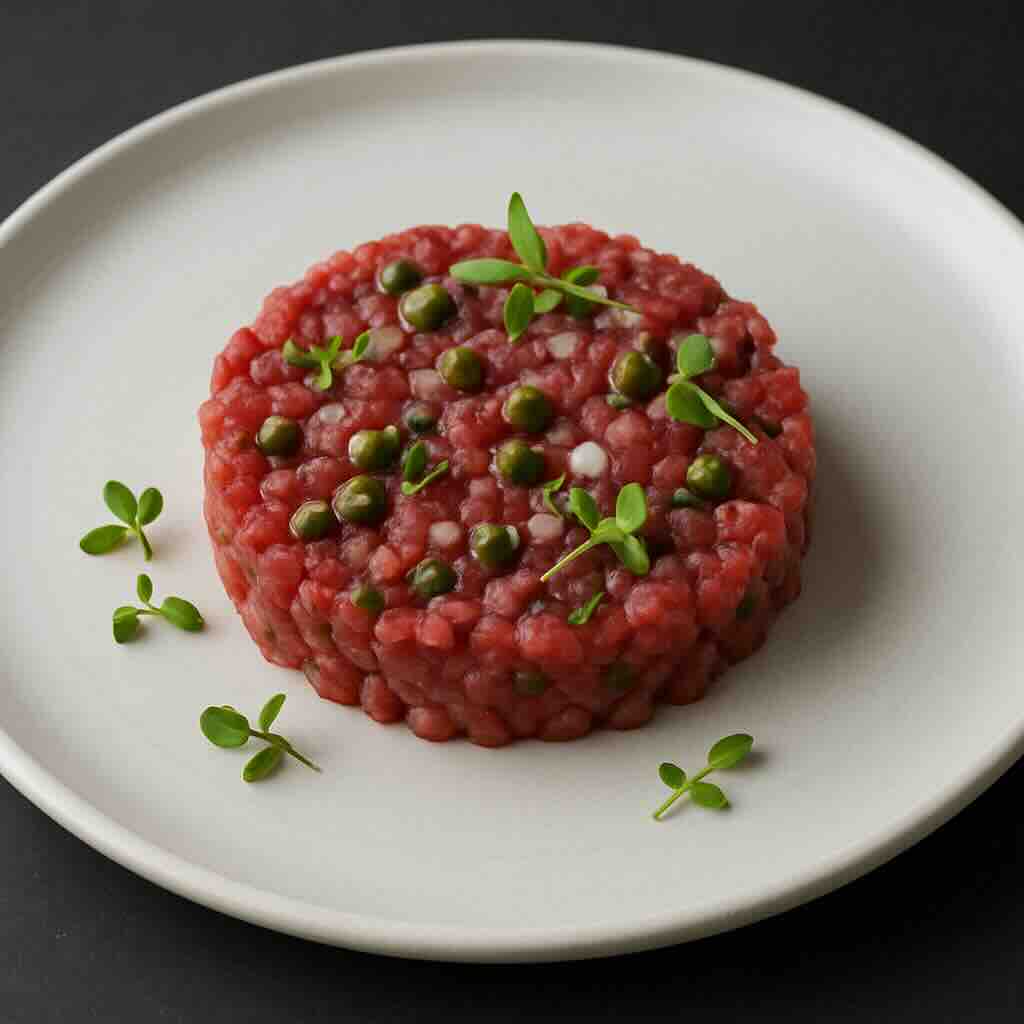
Kitfo (sometimes written ketfo) is one of the most celebrated dishes of Ethiopian cuisine, particularly associated with the Gurage people. It is finely minced lean beef warmed gently in niter kibbeh — a spiced clarified butter — and seasoned with mitmita, a fiery chili blend. It is traditionally a dish of hospitality and celebration, served at holidays and gatherings, and is held in high regard.
You will see kitfo served at three doneness levels: tere (raw), leb leb (lightly warmed, the most common restaurant style), and yebesele (fully cooked). This recipe describes the traditional preparation and lets you choose. The seasoning and the quality of the butter matter as much as the meat.
Instructions
- Buy whole-muscle beef the day you plan to serve it, from a butcher you trust. Keep it refrigerated until the last moment.
- Trim away all silver skin, sinew, and surface fat. Pat the meat completely dry.
- Place the trimmed beef in the freezer for 15 minutes to firm it for cleaner mincing.
- Using a sharp knife, finely mince the beef by hand into a fine, even texture — traditional kitfo is minced very fine, almost a paste, not chunky. Keep your board, knife, and hands scrupulously clean.
- Transfer the minced beef to a chilled bowl and return it to the refrigerator while you prepare the butter.
- Gently warm the niter kibbeh until it is just liquid and fragrant but not hot — you want it warm to the touch, not sizzling.
- For leb leb (lightly warmed): in a clean bowl, work the warm niter kibbeh into the minced beef so the meat takes on a glistening sheen and warms slightly. For tere (fully raw), use the butter at just-melted temperature. For yebesele, cook the seasoned mince in a pan until no longer pink.
- Season with mitmita, korarima, and salt. Start with less mitmita than you think — it is hot — and adjust.
- Taste and balance: kitfo should be rich, gently spiced, and well salted. Add more niter kibbeh for richness or mitmita for heat.
- Mound the kitfo on a plate or directly on injera. Serve immediately.
- Accompany with ayib (the mild cheese tempers the heat), gomen (collard greens), and plenty of injera for scooping.
- Do not keep leftovers of raw or lightly warmed kitfo. Discard anything not eaten.
Nutrition Information (per serving, estimate)
Values are estimates and exclude injera and side dishes; they vary with the cut of beef and the amount of niter kibbeh used.
Kitfo in Ethiopian food culture
Kitfo is not a curiosity at the edge of Ethiopian food — it sits near the centre of it. The dish is most closely identified with the Gurage people of south-central Ethiopia, where it is the celebratory dish brought out for Meskel, weddings, and important guests. In Addis Ababa and in Ethiopian restaurants abroad, a kitfo bet (a kitfo house) will often serve little else, because doing it properly means buying beef the same morning and mincing it to order.
What distinguishes kitfo from a French steak tartare is the fat and the spice rather than the meat. Niter kibbeh — butter clarified slowly with fenugreek, koseret, besobela, ginger, garlic, and cardamom — is folded in warm, so it coats the mince and carries the aromatics. Mitmita, a blend built on bird's eye chili with cardamom, clove, and salt, supplies the heat. There is no capers-and-shallot brightness here; the seasoning runs warm, herbal, and hot.
How kitfo is served
A traditional kitfo plate is a composed one. The mince goes down alongside ayib, a mild fresh cheese similar in texture to a dry cottage cheese, which cools the mitmita between bites; gomen, collard greens stewed with garlic and ginger; and sometimes a spoonful of ayib be gomen, the two folded together. Instead of bread you get injera, the sour teff flatbread, or in Gurage tradition kocho, a dense flatbread made from fermented enset (false banana). You eat with your right hand, tearing the injera and using it to pinch up the meat.
Tere, leb leb, and yebesele
Ordering kitfo means choosing a temperature. Tere is fully raw, dressed with warm niter kibbeh but never heated. Leb leb is the most commonly served: the mince is warmed briefly in the butter until the outside just turns, still pink and soft throughout. Yebesele is cooked through, and is what you should order or make if anyone at the table falls into a higher-risk group. Restaurants ask; it is not an unusual request.
Kitfo vs gored gored
Kitfo has a sibling on most Ethiopian menus: gored gored. Both are raw beef dressed in niter kibbeh, and both are eaten with injera, but they are different dishes. Gored gored is lean beef cut into small cubes rather than minced, then tossed in awaze — a loose chili paste made from berbere spice mixed with liquid (often a little tej, wine, or water) — and warm niter kibbeh. The result is chunkier and chewier, with the deep, sweet-hot, paprika-like warmth of berbere rather than the sharper, hotter bite of mitmita. Gored gored is usually served raw or barely warmed and does not carry the tere / leb leb / yebesele choice as formally as kitfo does.
| Kitfo | Gored gored | |
|---|---|---|
| Cut of the beef | Minced very fine, almost a paste | Small cubes, roughly 1/2 inch (1–1.5 cm) |
| Fat | Niter kibbeh, worked in warm | Niter kibbeh, tossed through warm |
| Main spice | Mitmita (bird’s eye chili, korarima, clove, salt) | Awaze (berbere chili paste) |
| Heat and flavour | Sharp, hot, fragrant with cardamom | Deeper, rounder, sweet-smoky chili warmth |
| Texture | Soft, spreadable, rich | Chewy, meaty bites |
| Doneness | Tere (raw), leb leb (warmed), or yebesele (cooked) | Usually raw or barely warmed |
| Served with | Injera or kocho, ayib, gomen | Injera, often with extra awaze on the side |
If you are unsure which to order, kitfo is the gentler introduction: the fine mince and cooling ayib make it approachable, and asking for it leb leb or yebesele is completely normal. The same raw-beef safety rules apply to both dishes. For how these sit alongside other raw-beef traditions, see our guide to types of tartare and our kibbeh nayyeh and larb dib recipes.
If you are approaching kitfo from a European tartare background, the closest points of comparison on this site are classic French beef tartare for the raw-beef technique and Korean yukhoe for another tradition that seasons raw beef with fat and aromatics rather than acid. Our tartare around the world guide places all three in context.
Frequently Asked Questions
What is kitfo?
Kitfo is an Ethiopian dish of finely minced lean beef dressed with niter kibbeh (spiced clarified butter) and mitmita (a chili-and-spice blend). It is especially associated with the Gurage people and is a celebratory dish served with injera.
Is kitfo raw?
It can be. Kitfo is traditionally served at three levels: tere (fully raw), leb leb (lightly warmed, the most common restaurant style), and yebesele (fully cooked). Raw and lightly warmed versions should only be eaten by healthy adults using very fresh, well-sourced beef; vulnerable groups should choose the fully cooked version.
What does kitfo taste like?
Kitfo tastes rich, buttery, and spicy. The niter kibbeh gives a nutty, herbal, slightly fenugreek-scented richness, the mitmita adds sharp chili heat with cardamom and clove, and the finely minced beef is soft and mild. Ayib cheese on the side cools it down.
Is kitfo spicy?
Usually, yes, because of the mitmita, which is built on hot bird’s eye chili. The heat is adjustable: ask for less mitmita in a restaurant, or add it gradually at home, starting with about 1 teaspoon per pound (450g) of beef.
What is the difference between kitfo and gored gored?
Kitfo is beef minced very fine and seasoned with mitmita and niter kibbeh. Gored gored is beef cut into small cubes and tossed in awaze (a berbere chili paste) and niter kibbeh. Kitfo is softer and sharper-tasting; gored gored is chewier with a deeper, rounder chili warmth.
What are mitmita and niter kibbeh?
Mitmita is a hot Ethiopian spice blend built on bird’s eye chili, with korarima (Ethiopian cardamom), cloves, and salt. Niter kibbeh is clarified butter simmered with aromatics such as garlic, ginger, korarima, fenugreek, koseret, and besobela, then strained. See our mitmita recipe and niter kibbeh recipe.
Can I make kitfo without niter kibbeh or mitmita?
You can make a reasonable version, but it will not taste like kitfo. Ghee warmed with garlic, ginger, cardamom, and a pinch of fenugreek is the closest stand-in for niter kibbeh, and a mix of hot chili powder, ground cardamom, a pinch of clove, and salt approximates mitmita. Both are straightforward to make at home and keep for weeks.
What do you serve with kitfo?
Kitfo is served with injera, the sour Ethiopian flatbread used to scoop it up. Common accompaniments are ayib (a mild fresh cheese that cools the heat) and gomen (sautéed collard greens). The cheese and greens balance the richness and spice.
You May Also Like
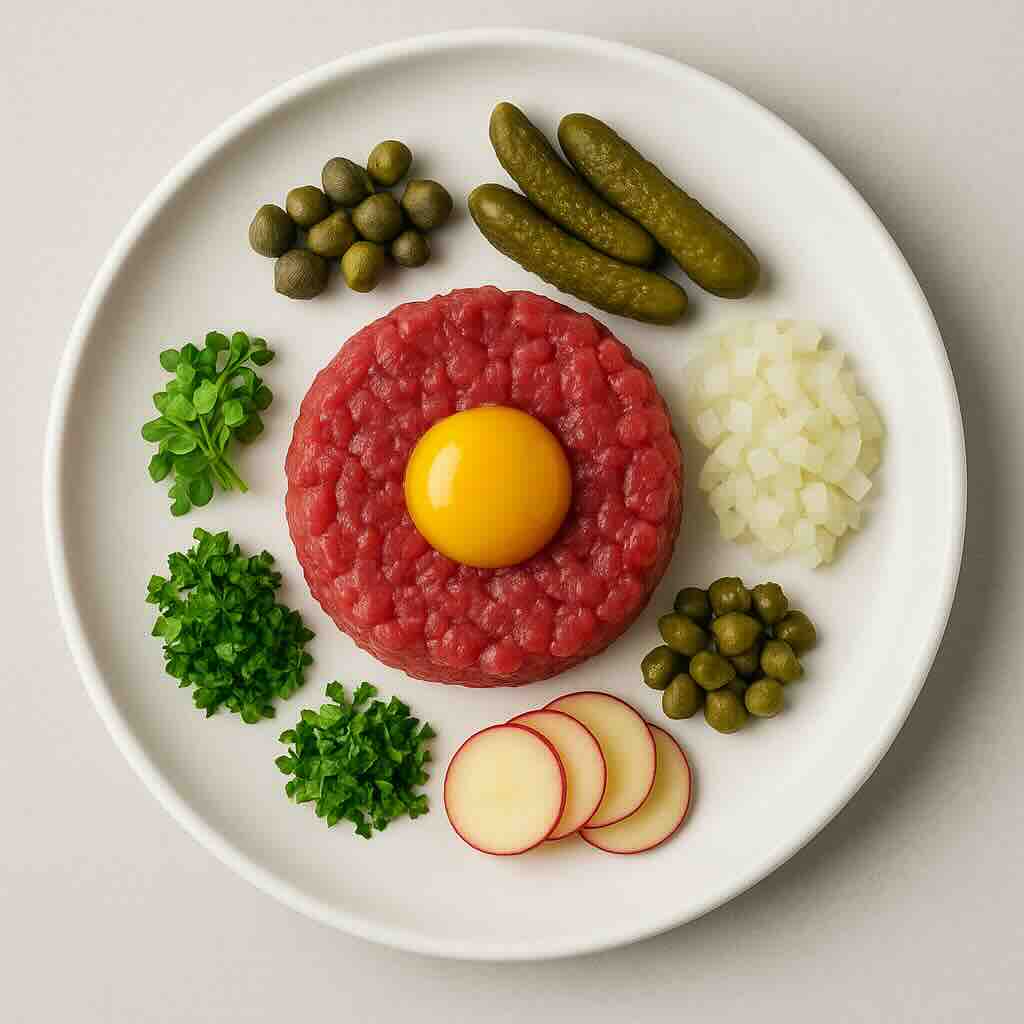
Classic Beef Tartare
The canonical French preparation
Niter Kibbeh
The spiced clarified butter kitfo is built on
Mitmita
Ethiopia’s bird’s eye chili blend
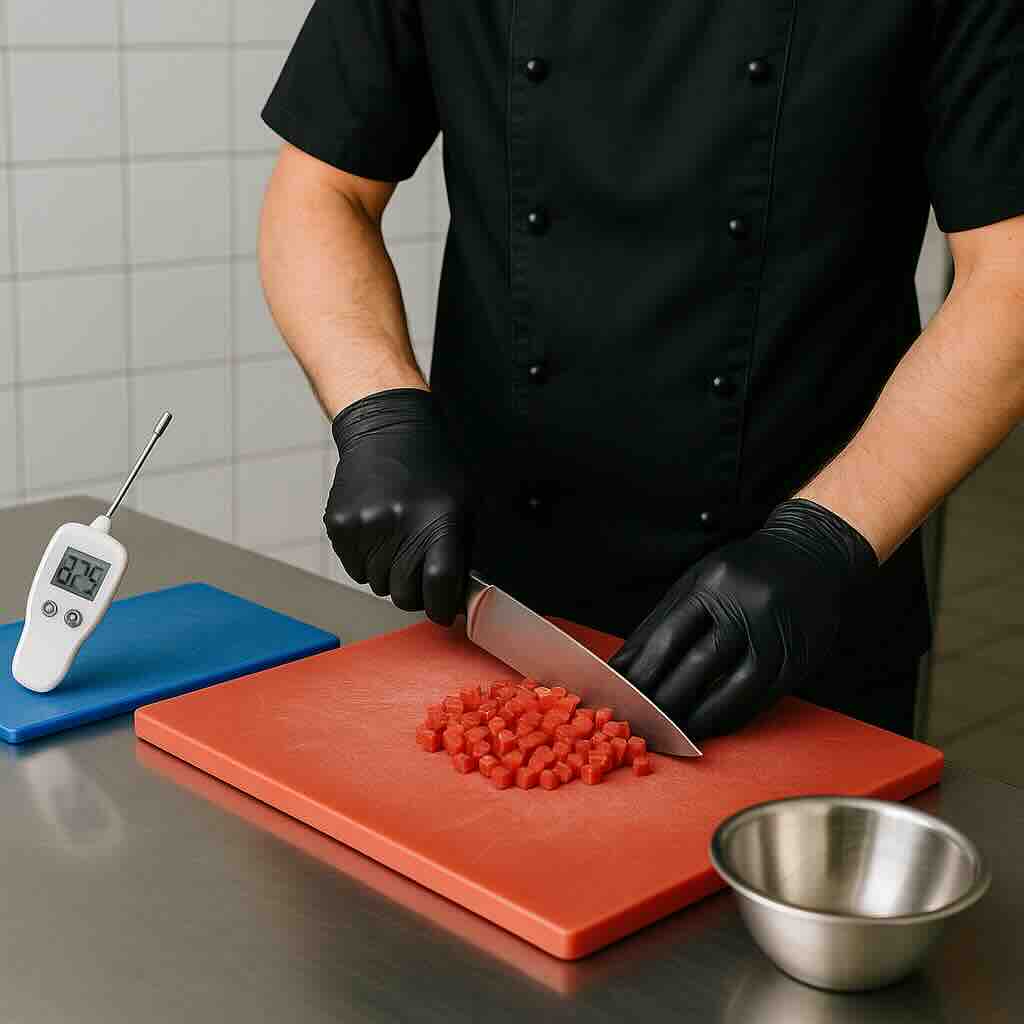
Complete Food Safety Guide
How to handle raw meat safely
Sourcing Quality Meat
Choosing beef you can eat raw
Mett (German Raw Pork)
A higher-risk regional raw-meat dish