The short answer is yes — freezing under the right conditions is the standard way to inactivate parasites in fish destined to be eaten raw. But that answer comes with two large caveats: freezing does not deal with bacteria or toxins, and most home freezers cannot reliably reach the conditions the guidance describes. Understanding both points is the difference between a fish that is genuinely safer for tartare and one that just feels safer.
Everything below is general guidance to explain how parasite-control freezing works. The exact parameters, exemptions, and which species they apply to are set by your local food-safety authority, and that authority always takes precedence over anything written here.
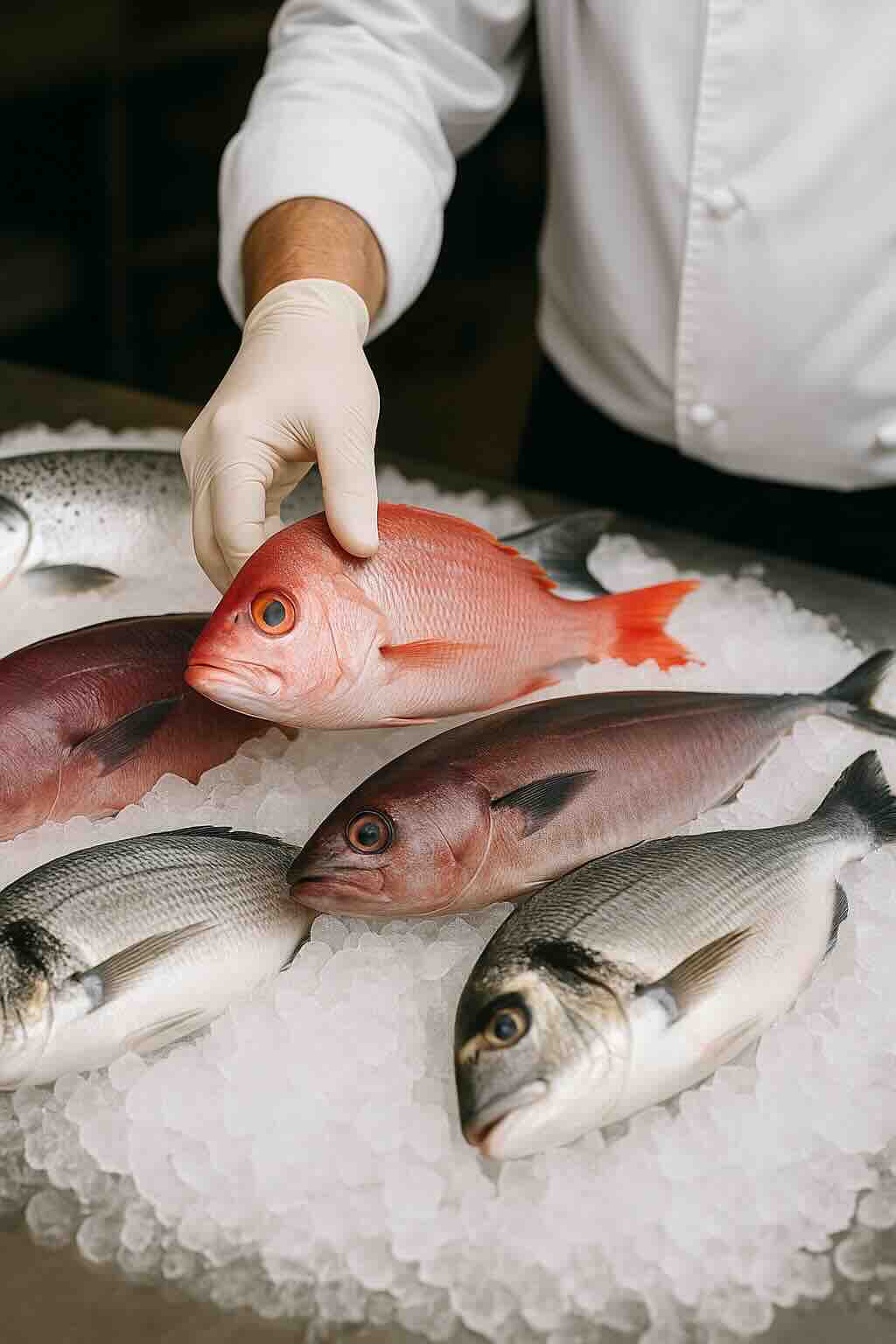
What freezing actually does
Freezing fish to a low enough temperature, for long enough, physically destroys parasites such as certain roundworms (including Anisakis) and tapeworms that some fish can carry. This is why commercial fish sold for raw consumption is, for many species, frozen before it ever reaches a sushi counter or fish shop. Done to standard, parasite-control freezing is effective and well established.
What freezing does not do is just as important:
- It does not reliably kill bacteria. Many bacteria simply go dormant in the cold and revive on thawing. Freezing is not a substitute for an unbroken cold chain or fresh, well-handled fish.
- It does not destroy toxins. Some seafood hazards — for example scombroid (histamine) formation in mishandled tuna and mackerel — are not undone by freezing. Once formed, they stay.
- It does not rescue spoiled fish. Freezing a fish that is already past its prime gives you thawed spoiled fish. Quality has to be there before you freeze.
The freezing parameters used for parasite control
The most widely cited figures come from FDA guidance for fish intended to be eaten raw. We present these as guidance to illustrate the concept, not as a rule you should rely on without checking your own authority's requirements:
- −20°C (−4°F) or below for about 7 days (total time), or
- −35°C (−31°F) or below until solid, then held at −35°C (−31°F) or below for about 15 hours, or
- −35°C (−31°F) or below until solid, then held at −20°C (−4°F) or below for about 24 hours.
The colder the temperature, the shorter the required hold time. The numbers describe the temperature of the fish, not the air setting on a freezer dial, which is a crucial distinction for home cooks.
Always verify locally. These parameters and the list of exempt species differ between jurisdictions and are periodically updated. Treat the figures above as a general illustration and confirm the current requirements with your local food-safety authority before relying on them.
Why home freezers usually can't do this reliably
A typical home freezer is designed to hold food at around −18°C (0°F), and many run warmer, especially when the door is opened or the appliance is full. That is at or above the threshold the guidance describes, and home units rarely hold a steady, verifiable temperature throughout the fish. A standard fridge-freezer also freezes slowly, so the core of a thick fillet may take a long time to reach target temperature.
Practical implications:
- You usually cannot confirm your freezer reaches and holds −20°C, let alone −35°C.
- Without a reliable thermometer and a unit that holds temperature, home "parasite-control" freezing is a guess, not a guarantee.
- For this reason, the safer route for raw preparations is to buy fish that has already been frozen to standard by a commercial supplier, or a species that is exempt.
Which fish are higher parasite risk
Parasite risk varies a lot by species and origin. As general guidance:
- Higher concern: many wild salmon, cod, herring, mackerel, and various other wild marine and anadromous fish are commonly associated with parasites and are typically frozen before raw use.
- Often exempted: certain tuna. Several tuna species are commonly exempted from parasite-destruction freezing because they are considered to pose a negligible parasite risk for that hazard. This is why tuna is so often served raw without having been frozen.
- It depends on origin and farming. Some farmed fish raised on controlled feed in conditions designed to limit parasite exposure may be handled differently, but this varies by producer and region and should be confirmed, not assumed.
Because the picture is species- and source-specific, the reliable move is to ask your supplier whether a given fish was frozen for parasite control or falls under an exemption. Our guide to sushi-grade vs sashimi-grade fish explains why the label alone won't answer that.
Thawing matters too
Proper freezing only helps if the thaw doesn't undo your other safety margins. Thaw frozen fish in the refrigerator, not on the counter, so the surface never warms into the range where bacteria multiply quickly. Thaw it in a leakproof container set over a tray to catch drips and avoid cross-contamination, and once thawed, treat the fish as you would any fresh raw fish: keep it very cold, use it promptly, and judge it by smell and appearance before serving. Do not refreeze fish that has been thawed and is destined for a raw preparation.
Putting it together for tartare
If you want to make a raw fish tartare at home, the soundest approach is:
- Choose a species and source where raw consumption is appropriate — either commercially frozen to the parasite-control standard, or a recognised exempt species like certain tuna.
- Confirm with the seller how the fish was handled and frozen. Do not rely on "sushi-grade" alone.
- Keep the cold chain unbroken from shop to plate, and judge freshness by smell and appearance.
- Serve promptly and do not keep leftovers of a raw preparation.
Freezing is a powerful tool against parasites, but it is one layer of safety, not the whole stack. Sourcing, handling, and honest freshness assessment carry the rest.